
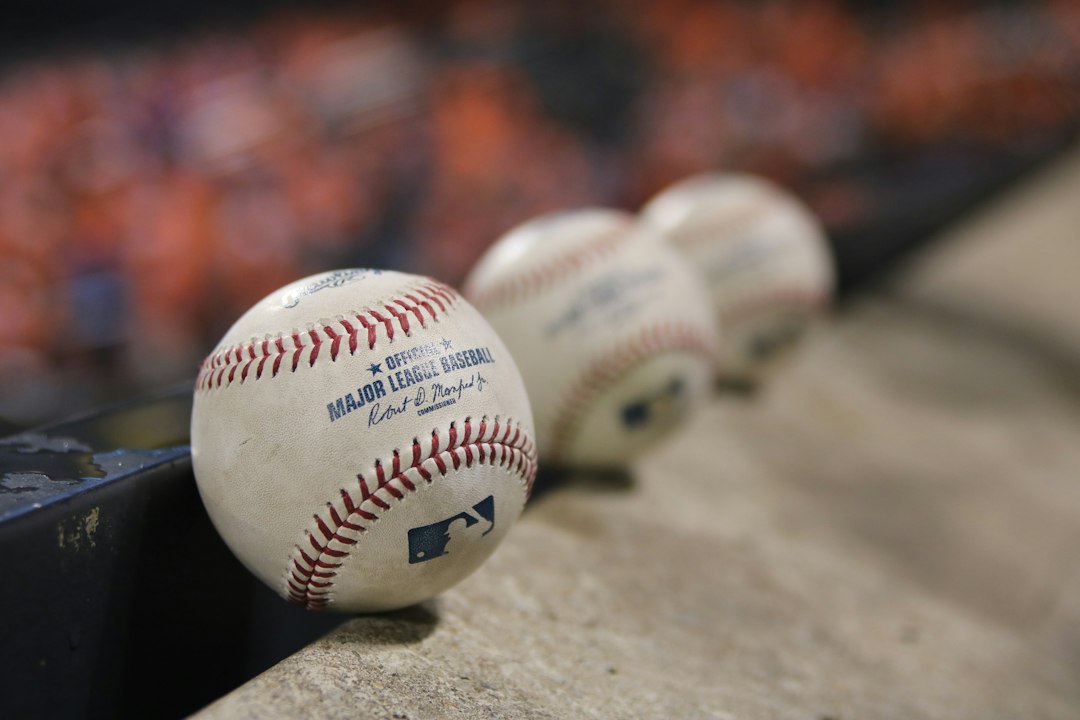
Baseball’s journey from simple stick-and-ball games to the sophisticated professional sport we know today is a fascinating tale of evolution, adaptation, and cultural impact. It wasn’t born in a single moment or place, but rather emerged from a rich tapestry of ancestral games played across centuries and continents, gradually taking shape into the “national pastime” of America and a beloved sport worldwide.
Early Bat-and-Ball Roots
To truly understand baseball, we need to look far back, beyond the familiar diamond, to a time when people simply enjoyed hitting a ball with a stick. These were the foundational games, informal and varied, that laid the groundwork for what was to come.
Folk Games Across Europe
Many European countries had their own versions of bat-and-ball games, and these diverse traditions played a crucial role in shaping baseball’s nascent stages. They shared common principles: a pitcher (or bowler), a batter, and fielders trying to catch or retrieve the ball.
English Rounders and Stoolball
One of the most direct ancestors often cited is English rounders. Played for centuries, rounders involved hitting a ball and running between bases. While the rules varied greatly by locality, the core concept of a circuit of bases was undeniably present. Stoolball, another English game, is even older, dating back to the 14th century. Originally played by milkmaids using milking stools as wickets, it also involved hitting a ball and running. The key here is the continuous development of games that required striking a propelled object and then completing a circuit, a fundamental characteristic that would later define baseball. The informal nature of these games meant rules were often fluid, passed down orally, and adapted to local conditions and available equipment. This lack of standardization actually fostered a rich variety of play styles, with some communities emphasizing different aspects of the game – perhaps longer hits, more intricate fielding, or a greater number of bases.
Cricket and Its Influence
Cricket, another prominent English bat-and-ball game, also shared common DNA with baseball. Though distinctly different in play and structure today, early versions of cricket and what would become baseball were perhaps more similar than we imagine. Cricket’s focus on a bowler, a batsman defending a wicket, and fielders aiming to get the batsman out by various means certainly contributed to the general understanding of bat-and-ball dynamics. While baseball evolved away from cricket’s specific rules, the idea of a formal game with defined roles and objectives, as seen in cricket, would have influenced the move towards more structured bat-and-ball play in America. The very concept of an “out” or a “run” has echoes in both sports, suggesting a shared ancestry in the broader category of games where players contend over striking a ball and completing a scoring action.
Early American Forms
As European settlers arrived in North America, they brought these varied bat-and-ball traditions with them. The new environment, combined with a developing social structure, allowed these games to evolve into distinct American forms.
Town Ball and Massachusetts Game
In the colonies and early American states, these informal games continued, often referred to broadly as “town ball” or “base ball” – two words, not yet a single term. Rules were highly localized, varying from one town to the next, even within the same state. Massachusetts, in particular, developed a distinctive style often called the “Massachusetts Game.” This version typically featured a soft ball, allowing fielders to throw it at runners to get them out (“soaking” or “plugging”). There were often 10 to 12 players per side, and sometimes even more. The bases were typically posts rather than bags, and the field wasn’t necessarily a perfect diamond. This fluidity reflects the communal nature of play; games were more about participation and local competition than strict adherence to codified rules. Each town or community might have slightly different interpretations, and part of the challenge (and fun) was adapting to the “home team’s” rules.
New York Game Beginnings
While the Massachusetts Game emphasized a softer ball and direct tagging of runners, another tradition was taking shape in the New York area. This “New York Game” would prove to be more influential in the long run. It was characterized by a harder ball and the rule that a runner could only be put out by being tagged with the ball (or the ball in a glove) while off base, not by being hit directly. This seemingly small distinction had a profound impact: it made the game safer, encouraged more strategic running, and ultimately led to the development of fielding gloves. The rules were starting to become a bit more consistent here, setting the stage for formalization. This shift from “plugging” to “tagging” is a significant evolutionary step, as it elevates skill and strategy over brute force or mere accuracy in throwing at a moving target.
For those interested in exploring the evolution of sports beyond baseball, a fascinating article on basketball highlights can be found at this link. It provides a comprehensive recap of recent basketball games, showcasing how the sport has developed over time, much like baseball has from its early origins to the modern game we know today. Both sports share a rich history and have undergone significant transformations, reflecting changes in culture and society.
The Codification Era and Early Leagues
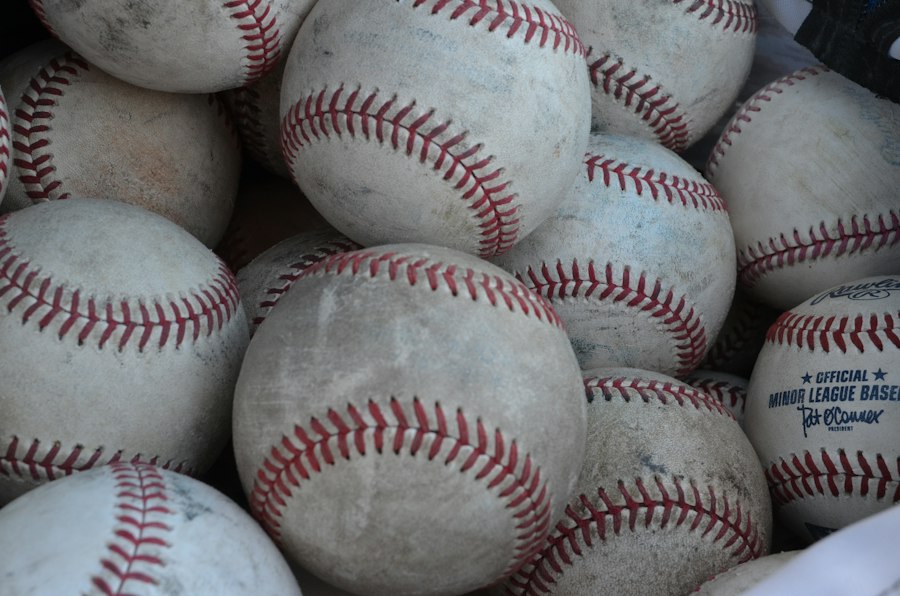
The mid-19th century was a pivotal time for baseball. It moved from informal play to organized competition, with formal rules and clubs emerging. This period truly laid the foundation for modern baseball.
The Knickerbocker Rules (1845)
Arguably the most critical moment in baseball’s early history came with the creation of the Knickerbocker Rules in 1845. The New York Knickerbockers Base Ball Club, a group of gentlemen interested in playing a more structured game, gathered to establish a uniform set of rules.
Alexander Cartwright’s Contributions
While often credited as the “father of baseball,” Alexander Cartwright was one of several key figures in the Knickerbockers who contributed to these rules. He was instrumental in formalizing the diamond shape, establishing the 90-foot distance between bases, and introducing the concept of three outs per inning. Crucially, the Knickerbocker Rules banned “soaking” or “plugging” runners, requiring them to be tagged. They also introduced the idea of a foul ball and made the game safer by requiring fielders to catch a ball on the fly or after one bounce for an out (though the one-bounce rule would eventually change). These rules were not entirely new; many were drawn from existing practices in the New York area. However, the act of writing them down and publishing them provided a standard that other clubs could adopt, marking a significant step towards standardization. Cartwright’s role was more that of a codifier and promoter of these rules, helping to solidify a specific version of the game that would ultimately prevail.
Impact and Spread of the Rules
The Knickerbocker Rules quickly gained traction among other nascent baseball clubs in the New York area. Their clarity and consistency made the game easier to understand and more appealing for inter-club competition. As more clubs adopted these rules, a common framework for play began to emerge, facilitating the growth of the sport. This standardization was essential for the game to move beyond local variations and become a truly regional, and eventually national, pastime. The publication of these rules allowed clubs far and wide to understand and implement the same structure, fostering a sense of shared identity and making inter-club matches more equitable. It was a catalyst for organized play, leading directly to the formation of early leagues.
Professionalism and the National Association
As baseball’s popularity surged, the amateur ideal began to wane, and the lure of professional play emerged. This shift marked a new era for the sport, moving it from a gentleman’s pastime to a commercial enterprise.
Amateurism vs. Professionalism
In the early days, baseball was strictly an amateur pursuit, played for recreation and camaraderie. However, as competition intensified, clubs began to secretly pay players, an practice known as “revolving.” This clandestine professionalism created tension with the stated amateur ethos of the game. The desire to win led clubs to seek out the best players, and paying them under the table became a common, if frowned-upon, practice. This conflict between the ideals of amateur sport and the realities of competitive advantage highlights a fundamental tension that many sports experienced during their professionalization. The public often preferred the romantic ideal of amateur play, while clubs and players increasingly recognized the economic realities and benefits of professionalism.
Formation of the National Association (1871)
The growing prevalence of professionalism ultimately led to the formation of the National Association of Professional Base Ball Players in 1871. This was the first attempt at a professional baseball league, recognizing and legitimizing the payment of players. While short-lived (it folded in 1875 due to various issues, including financial instability and alleged corruption), the National Association was a crucial stepping stone. It proved that a professional baseball league was viable and that there was an audience for it. It also highlighted the challenges of organizing and sustaining a professional league, laying valuable groundwork for future, more successful endeavors. Its existence forced the game to confront the complexities of professional sports, from player contracts to revenue sharing, and the need for robust governance.
The history of baseball is a fascinating journey that reflects the evolution of American culture and sportsmanship. For those interested in exploring how other sports have also transformed over time, a related article discusses recent developments in gymnastics, highlighting the changes and innovations that have shaped the sport. You can read more about it in this insightful piece on gymnastics. This connection between different sports showcases the dynamic nature of athletic competition and the continuous quest for improvement.
The National League (1876) and American League (1901)
The lessons learned from the National Association paved the way for more stable and enduring professional leagues.
The National League’s Foundation
In 1876, William Hulbert, then president of the Chicago White Stockings, led a group of club owners to form the National League of Professional Base Ball Clubs. Hulbert was determined to create a more stable and legitimate league than the National Association. He implemented stricter rules regarding player contracts, expelled clubs for rule violations, and emphasized moral conduct, aiming to restore public trust in professional baseball. The National League quickly became the dominant force in the sport, establishing a precedent for organized, commercially successful professional baseball. Its emphasis on strong leadership, consistent rule enforcement, and a focus on financial stability ensured its longevity and solidified its position as the premier baseball organization. This marked a significant maturation of the sport’s business model.
The Rise of the American League and the World Series
Despite the National League’s dominance, discontent arose among players and owners over various issues, leading to the formation of a rival league. The American League began as the minor Western League in 1894, then reorganized into the American League in 1901 under the leadership of Ban Johnson. Initially competing fiercely with the National League for players and fans, the two leagues eventually came to an agreement, recognizing each other’s legitimacy in 1903. This peace accord led directly to the first modern World Series that same year, pitting the champions of the National League against those of the American League in an annual championship. This set the stage for baseball’s golden age, creating a powerful duality that continues to define Major League Baseball today. The establishment of the World Series provided a climactic end to each season, capturing national attention and cementing baseball’s place in American culture.
Key Rule Changes and Strategic Evolution
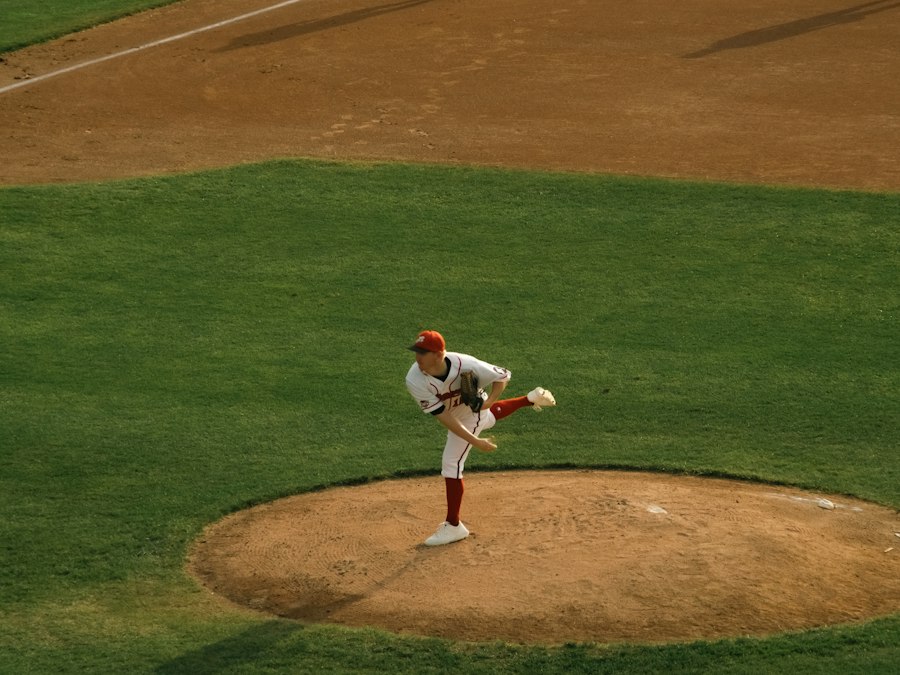
Baseball’s rules and strategies have never been static. From its earliest days, the game has continuously adapted, driven by player innovation, fan preferences, and the desire for more exciting competition.
Pitching Developments
The role of the pitcher has undergone some of the most dramatic transformations, fundamentally altering the balance between offense and defense.
Underhand to Overhand Delivery
In baseball’s nascent period, pitchers were required to deliver the ball underhand, primarily to allow the batter to hit it. The emphasis was on putting the ball in play, not on overpowering the hitter. However, pitchers quickly discovered ways to put spin and speed on the ball even with an underhand motion. Over time, rules gradually allowed for more flexibility, moving to a sidearm delivery and eventually, by the 1880s, full overhand pitching. This transition dramatically increased pitching velocity and control, making the pitcher a much more dominant force in the game. It transformed the pitcher from a facilitator to an attacker, fundamentally changing the strategic dynamics of the game and leading to lower-scoring contests.
Mound Distance and Strike Zone Changes
As pitching velocity increased, the distance of the pitcher’s mound from home plate became a crucial factor. Initially, pitchers delivered from 45 feet, then 50 feet. In 1893, the distance was formally set at 60 feet 6 inches, a distance that remains today. This increase was primarily in response to pitchers becoming too dominant, trying to re-balance the game in favor of hitting. Similarly, the strike zone has seen various interpretations and adjustments over the years. Early rules were vague, focusing more on a “fair” pitch. Later, the strike zone was defined by the batter’s chest to knees, then shoulders to knees, and has continued to be refined, sometimes leading to controversy. These adjustments are a constant effort to maintain a dynamic balance between pitching and hitting, ensuring the game remains engaging and challenging for both sides. Each change reflects an attempt by the rule makers to adapt to evolving player skills and strategies, preventing one aspect of the game from becoming overly dominant.
Batting and Fielding Innovations
Changes weren’t limited to pitching; hitting and fielding also saw significant evolution in techniques and equipment.
Bunting and Baserunning Strategy
Early batting was largely about power, but as pitching improved, strategic elements like bunting became crucial. The sacrifice bunt, used to advance runners at the expense of an out, became a common tactical maneuver in the “dead ball” era (early 20th century) when home runs were rare. Baserunning, too, evolved beyond simply running fast. Players developed skills like stealing bases, hit-and-run plays, and tagging up on fly balls, transforming baserunning into a sophisticated offensive weapon. These subtle but impactful strategies highlight the game’s growing intellectual depth, where every decision on the field could influence the outcome.
Fielding Gloves and Defensive Shifts
Initially, fielders played barehanded, leading to frequent injuries and difficulties in catching hard-hit balls. The widespread adoption of fielding gloves began in the late 19th century. Initially small and rudimentary, gloves evolved into the specialized, padded equipment we see today, allowing fielders to make plays that would have been impossible barehanded. This dramatically improved defensive play and reduced errors. More recently, “defensive shifts,” where fielders strategically position themselves based on a batter’s tendencies (e.g., moving infielders to the right side against a pull-hitting lefty), have become a major strategic innovation, changing how teams approach defense and how batters adapt. These shifts, driven by advanced analytics, represent a modern evolution in defensive strategy, moving beyond traditional positions.
Integration, Expansion, and Modern Challenges
The 20th and 21st centuries brought profound changes to baseball, moving it from a racially segregated game to a global sport, while also facing new challenges in a changing media landscape.
Breaking the Color Barrier
One of the most significant moments in baseball history was the integration of the sport, a critical step both for the game and for American society.
The Negro Leagues’ Legacy
For decades, African American players were barred from Major League Baseball due to a “gentleman’s agreement” that enforced segregation. This led to the formation of the Negro Leagues, where incredibly talented Black players honed their skills and showcased their athletic prowess in their own professional circuits. Players like Josh Gibson, Satchel Paige, and Jackie Robinson (before his MLB debut) were stars, often outdrawing their white counterparts in exhibition games. The Negro Leagues not only provided a platform for these athletes but also developed their own rich cultural traditions and playing styles. Their existence highlighted the immense talent that was being excluded from MLB, making the eventual integration even more impactful. The quality of play in the Negro Leagues was exceptionally high, producing many Hall of Fame talents whose stories are now an integral part of baseball history.
Jackie Robinson’s Impact (1947)
In 1947, Branch Rickey, general manager of the Brooklyn Dodgers, made the courageous decision to sign Jackie Robinson, breaking baseball’s color barrier. Robinson’s debut was a monumental event, not just for baseball but for the American civil rights movement. His immense talent, grace under pressure, and steadfast courage in the face of prejudice paved the way for other Black players to enter MLB. His success not only desegregated the sport but also demonstrated to a national audience the injustice of segregation, having a profound societal impact. Robinson’s actions transcended baseball, making him a true American hero whose legacy continues to inspire. His disciplined response to taunts and threats, combined with his exceptional play, proved that Black athletes were not only equal but often superior, forcing a change in perception and policy.
Expansion and Globalization
From a handful of teams in the northeastern U.S., baseball grew into a continent-spanning and then global phenomenon.
Westward Expansion and New Franchises
After decades of stable (but limited) geographical presence, Major League Baseball began a period of significant expansion in the mid-20th century. Teams moved westward (like the Dodgers and Giants relocating to California in 1958) and new franchises were created, bringing baseball to more cities across the United States and eventually Canada (with the Montreal Expos in 1969 and the Toronto Blue Jays in 1977). This expansion not only grew the league’s footprint but also brought the game to new fan bases, increasing its national appeal and revenue potential. This period saw the creation of divisions within each league to accommodate the growing number of teams, leading to new playoff structures and rivalries.
International Growth and the World Baseball Classic
While particularly strong in North America, baseball also gained significant traction in Latin America (especially the Dominican Republic, Venezuela, Cuba, and Puerto Rico) and East Asia (Japan, South Korea, Taiwan). Many international players have become stars in MLB, enriching the game with diverse talents and styles of play. The creation of the World Baseball Classic (WBC) in 2006, an international tournament similar to soccer’s World Cup, further highlighted baseball’s global reach and popularity, allowing countries to compete on a world stage and showcasing the sport’s widespread appeal. The WBC has become a hugely successful event, demonstrating that baseball is much more than just an “American pastime” – it’s a global sport with passionate fans and skilled players across many nations.
Modern Challenges and Adaptations
In the 21st century, baseball, like all traditional sports, faces new challenges related to technology, fan engagement, and the pace of play.
Analytics and the “Moneyball” Era
The rise of advanced analytics and sabermetrics has revolutionized how baseball teams evaluate players, strategize, and manage their rosters. Concepts like “on-base percentage” and “slugging percentage” gained prominence, influencing draft picks, free agent signings, and in-game decisions. The “Moneyball” philosophy, popularized by the Oakland Athletics and chronicled in a best-selling book and movie, demonstrated how analytical approaches could be used to find undervalued assets and compete with wealthier teams. This shift towards data-driven decision-making has fundamentally altered the scouting and player development landscape, making baseball a more intellectual and strategically complex game. It has led to a greater appreciation for specific player skills beyond traditional metrics and transformed front office operations.
Pace of Play and Rule Adjustments
One of the ongoing debates in modern baseball centers on the pace of play. Concerns about slow games, frequent pitching changes, and lengthy commercial breaks have led MLB to experiment with various rule adjustments. These include pitch clocks (limiting the time between pitches), limits on pickoff throws, and restrictions on defensive shifts, all aimed at speeding up the game and making it more appealing to a broader, potentially younger audience. These changes reflect a proactive effort by the league to adapt to evolving fan preferences and maintain the sport’s relevance in a fast-paced media environment. While often met with resistance from traditionalists, these adjustments are a continuation of baseball’s long history of evolving rules to keep the game dynamic and engaging. The league is constantly balancing tradition with the need for modern entertainment, recognizing that the game must continue to adapt to thrive.
SportsOnTV.tv Where it’s always “Game On”
FAQs
1. When and where did baseball originate?
Baseball originated in the United States in the mid-19th century. It is believed to have evolved from older bat-and-ball games such as rounders and cricket.
2. How did baseball become popular in America?
Baseball gained popularity in America during the Civil War when soldiers played the game in their free time. After the war, the sport continued to grow in popularity, with the formation of organized leagues and teams.
3. Who were some key figures in the early history of baseball?
Key figures in the early history of baseball include Alexander Cartwright, who is often credited with formalizing the rules of the game, and players like Babe Ruth and Jackie Robinson, who helped shape the modern game.
4. What were some significant milestones in the evolution of baseball?
Significant milestones in the evolution of baseball include the founding of the National League in 1876, the introduction of the designated hitter rule in 1973, and the expansion of the league to include teams from both the American and National Leagues.
5. How has technology impacted the modern game of baseball?
Technology has had a significant impact on the modern game of baseball, with advancements in equipment, training techniques, and statistical analysis changing the way the game is played and managed.