
So, you want to get better at soccer? The quickest answer is simple: focus on the foundational skills that underpin nearly everything you do on the pitch. We’re talking about things like precise passing, controlled dribbling, effective shooting, and smart defending. Mastering these core competencies will elevate your game more than any fancy trick ever could. Let’s dive into the specifics of what really makes a difference.
Ball Control and Dribbling: Your Best Friend with the Ball
Think of ball control as your personal tether to the soccer ball. It’s about keeping the ball close, under your spell, even in tight spaces or at speed. Dribbling is the art of moving with the ball, maneuvering it past opponents, and creating space. Without solid control and dribbling, even the best passes or shots become incredibly difficult to execute.
Understanding the Touch: Soft, Firm, and Everywhere In Between
The ‘touch’ is paramount. It refers to how you make contact with the ball. A soft touch keeps the ball glued to your foot, allowing for quick changes in direction. A firmer touch, on the other hand, might be used to push the ball into space for a burst of speed.
It’s not just about keeping the ball under your foot; it’s about being able to manipulate it with different parts of your foot:
- Inside of the foot: Great for control, short passes, and changing direction. It offers a broad surface area.
- Outside of the foot: Excellent for shielding the ball, pushing it out wide, and quick changes of pace, especially when running.
- Sole of the foot: Ideal for stopping the ball, dragging it back, and controlling it in tight spaces. It’s a quick way to change direction or protect the ball.
- Laces (instep): Primarily used for shooting and long passes, but also for pushing the ball forward at speed during dribbling.
Drills focusing on small, quick touches with all these parts of the foot are crucial. Cone drills, where you weave through obstacles, are fantastic for this, forcing you to use different surfaces of your foot to maintain possession and change direction. The goal isn’t just to get past the cone, but to do so with the ball staying close enough that you could react immediately if an opponent appeared.
Mastering Different Dribbling Techniques for Various Situations
Dribbling isn’t a one-size-fits-all skill. You’ll need different approaches depending on whether you’re in open space, under pressure, or trying to beat a defender.
- Speed Dribbling: This is about pushing the ball ahead a bit further and running onto it, using the laces of your foot. It’s for when you have open space and want to cover ground quickly. The key is to keep the ball far enough to run at full speed but close enough to recover if an opponent closes in.
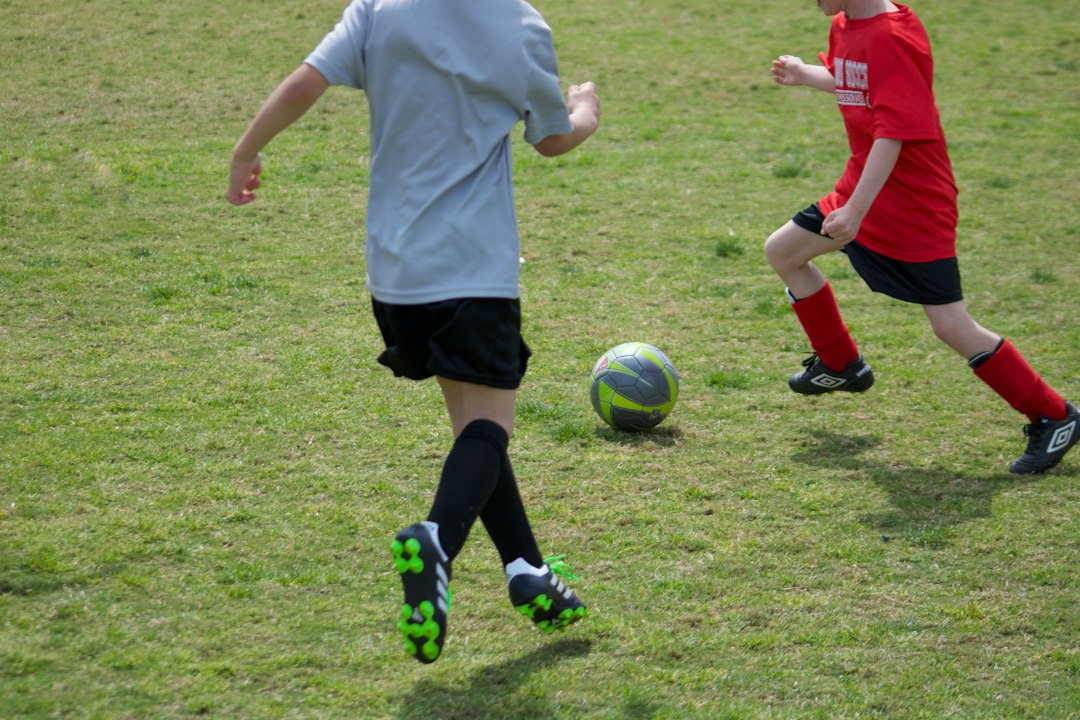
- Close Control Dribbling: In tight spaces, surrounded by defenders, your touches need to be much smaller and more frequent. Use the inside and outside of your foot primarily, keeping the ball within a very small radius. This minimizes the chance of a tackle and allows for quick shifts in direction.
- Shielding: When a defender is pressing you, shielding involves placing your body between the ball and the opponent. Use your arm for balance (without fouling) and your body to protect the ball, often using the sole or outside of your foot to pull the ball away from the defender’s reach. This buys you time to look up and make a decision.
- Change of Pace and Direction: A critical aspect of beating a defender isn’t just raw speed, but the ability to suddenly accelerate or abruptly change direction. Practice fakes and feints without the ball, and then integrate them with your dribbling. A sudden stop and go, or a feint to one side followed by a burst to the other, can create crucial separation.
To enhance your understanding of athletic performance, you might find it beneficial to explore the article on skiing and snowboarding techniques, which can offer insights into balance and agility that are also crucial in soccer. You can read more about these skills in the article available at Skiing and Snowboarding Techniques. Mastering these fundamental skills can significantly contribute to your overall performance on the soccer field.
Passing and Receiving: The Language of the Game
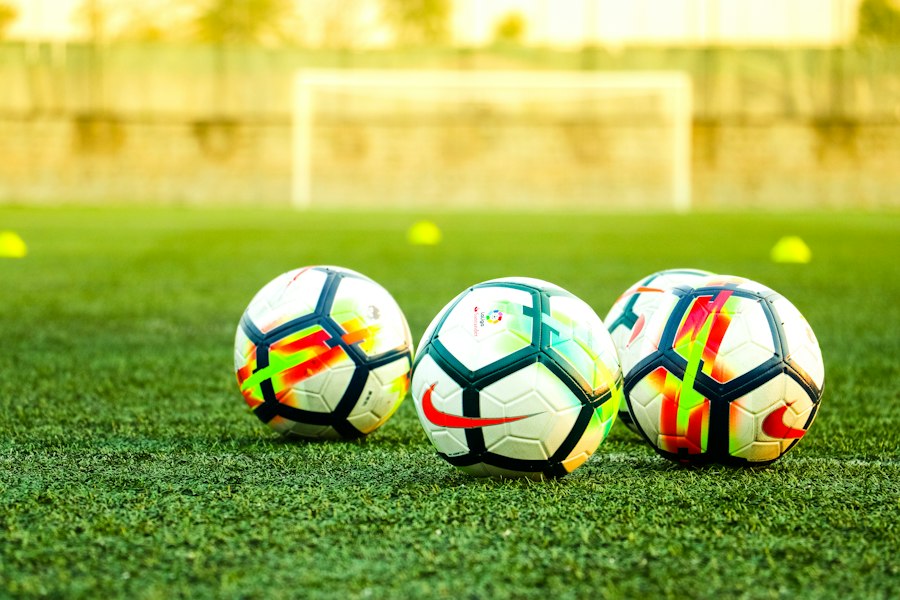
Soccer is a team sport, and passing is how you communicate and collaborate. Flawless passing and receiving are the bedrock of any effective team play, dictating tempo, creating opportunities, and maintaining possession. Without them, even the most individually brilliant players will struggle to impact the game effectively.
The Art of Passing: Accuracy, Weight, and Timing
A good pass isn’t just about getting the ball to a teammate; it’s about getting it there at the right speed, to the right foot, and at the right moment.
- Accuracy: This is paramount. Whether it’s a short five-yard pass or a long thirty-yard switch, the ball needs to go exactly where intended. Focus on striking the ball cleanly with the correct part of your foot (usually the inside for short passes, or laces for longer, driven passes). Keep your eyes on the target, follow through in the direction of your pass, and ensure your standing foot points towards the target.
- Weight (Pace): The speed of the pass matters immensely. A pass that’s too soft invites defenders to intercept, while one that’s too hard makes it difficult for your teammate to control. The ideal weight allows your teammate to receive the ball comfortably and immediately make their next move without having to fight for control. This comes with practice and understanding the context of the pass – how far away is your teammate? Are they under pressure?
- Timing: When you pass is almost as important as where and how. A perfectly weighted and accurate pass that arrives too late can be useless. Learn to anticipate your teammate’s run and release the ball into space where they can run onto it, rather than directly at their feet when they’re static. This leads to attacking momentum.
- Types of Passes:
- Push Pass (Inside of the Foot): The most common and accurate pass for short to medium distances. Use the large flat surface of your inside foot, ensuring a good follow-through.
- Driven Pass (Laces/Instep): For longer, harder passes, often to switch play or for through balls. Strike the ball with your laces, keeping your ankle locked.
- Chip Pass: Used to lift the ball over defenders or to a teammate’s chest/head. Strike the ball underneath with the instep, leaning back slightly.
- Through Ball: A pass that threads between defenders into open space for an attacking player to run onto. Requires excellent vision and timing.
Receiving the Ball: The First Touch Advantage
Receiving the ball, often called the ‘first touch,’ is arguably one of the most important skills in soccer. A good first touch sets you up for your next action – whether that’s passing, dribbling, or shooting. A poor first touch often leads to losing possession.
- Cushioning: This is about ‘killing’ the ball, absorbing its pace so it doesn’t bounce off you uncontrollably. Relax the part of your body receiving the ball (foot, thigh, chest) upon contact. As the ball hits, pull back slightly to dampen its force. For example, if receiving with the inside of your foot, pull your foot back slightly as it makes contact.
- Preparing for the Next Move: Don’t just stop the ball; guide it into a position that immediately facilitates your next action. If you plan to pass to your right, your first touch should direct the ball slightly to your right, setting it up perfectly. This is often called a ‘two-way touch’ or ‘pre-scanning’ – knowing where you want to go with the ball before it even reaches you.
- Body Position: Face the passer and be ready to receive. Have your body open to the field, allowing you to see more options. Get your body behind the ball if possible, and adjust your feet to meet it.
- Receiving Under Pressure: When a defender is close, your first touch might need to be a ‘take-away’ touch, guiding the ball away from the defender and into space, or shielding the ball immediately. Don’t be afraid to use the sole of your foot to trap or pull the ball back under pressure.
Shooting and Finishing: Putting the Ball in the Net
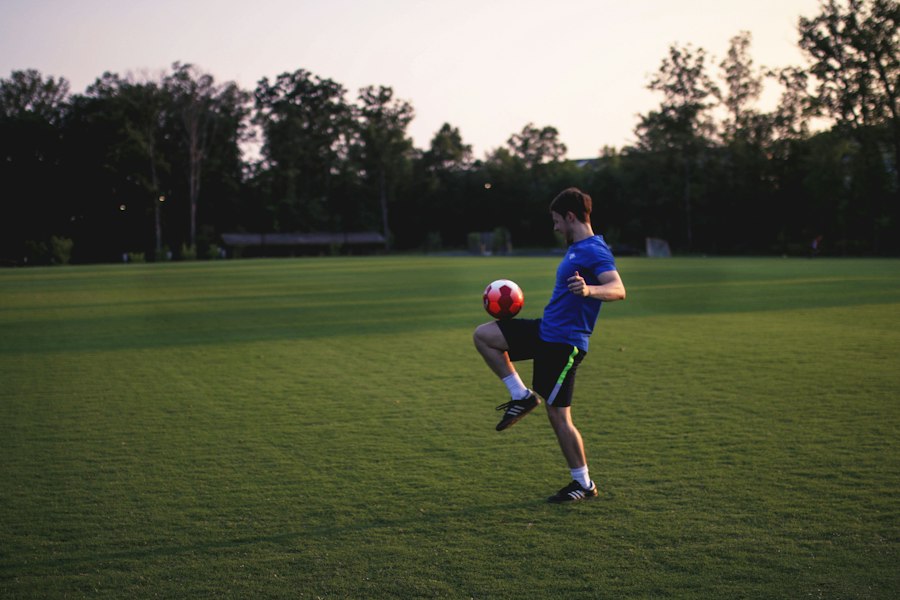
Scoring goals is the ultimate objective, and effective shooting is the direct path to achieving it. It’s not just about kicking the ball hard; it’s about precision, power, and composure.
The Power Shot: Precision and Technique
A powerful shot is often about technique, not just brute force. You want to strike the ball cleanly and send it towards the target with conviction.
- Plant Foot: Your non-kicking foot (the plant foot) should be placed beside the ball, pointing towards your target. This provides balance and directs your body towards the goal.
- Body Position: Lean slightly over the ball. This keeps the shot down. If you lean back, the ball will often fly over the bar.
- Striking the Ball: Use your laces (instep) for maximum power and accuracy. Connect with the ‘sweet spot’ of the ball, which is slightly below its center. Keep your ankle locked and firm on contact. Avoid hitting it with your toes or the side of your foot unless attempting a specific shot.
- Follow Through: Crucial for power and direction. Your kicking leg should continue its motion towards the target, finishing high. This ensures you’ve put all your energy into the shot. Imagine trying to kick through the ball, not just at it.
- Head Down, Eyes on the Ball: Until contact is made, keep your eyes fixed on the ball. Only look up after you’ve struck it. This helps ensure a clean strike.
- Practice: Repetition is key. Set up targets in training – corners of the goal, even small cones – and aim for them consistently. Don’t just blast away; focus on technique every time.
The Finesse Shot: Placing the Ball with Subtlety
Sometimes, power isn’t the answer. A well-placed finesse shot can be just as effective, often more so, especially when the goalkeeper’s positioning allows for it.
- Curling Shot (Inside of the Foot): This is used to bend the ball around a defender or into the top corner. Strike the ball with the inside of your foot, slightly off-center towards the side you want it to curl. A slightly open body stance and a sweeping follow-through across the ball will impart spin.
- Chip Shot: When the goalkeeper is off their line, a delicate chip can be incredibly effective. Strike the bottom of the ball with the instep of your foot, leaning back slightly and scooping through. The aim is to lift the ball just over the keeper and under the crossbar.
- Toe Poke: While generally discouraged for power shots, a quick toe poke can be useful in very tight spaces or when you need to get a shot off instantly with minimal backlift, often surprising defenders and keepers. It lacks power and control but can be a good ‘Hail Mary’.
- Composure: In one-on-one situations or when facing an open goal, it’s easy to rush. Take a breath, look at the keeper’s position, and decide where you want to place the ball. Don’t just react; execute. Practice these scenarios, perhaps with a goalkeeper, to build confidence and decision-making under pressure.
Defensive Skills: Winning the Ball Back and Protecting Your Goal
Defense isn’t just for defenders; every player on the pitch needs to contribute to winning the ball back and preventing goals. Good defensive skills are about more than just tackling; they involve positioning, anticipation, and smart decision-making.
Tackling and Intercepting: Timely Interventions
A well-timed tackle can be as game-changing as a goal. Interceptions stop attacks before they even get started.
- Stand Tackle: This is the most common and safest tackle. Approach the opponent from a slight angle, aiming to make contact with the ball with the inside of your foot. Keep your body low, knees bent, and eyes on the ball. Timing is everything – go for the ball when the opponent is taking a touch, not when they are in full control. Follow through to win possession.
- Slide Tackle: A more aggressive and higher-risk tackle, used when an opponent is breaking away or when you need to cover a large distance quickly. It involves sliding on the ground to get your foot to the ball. Ensure you slide through the ball and not the player to avoid fouls. Practice this extensively on a soft surface to avoid injury and perfect the technique of hitting the ball cleanly.
- Pressing: This isn’t a tackle, but a defensive action. It involves closing down an opponent with the ball, reducing their space and time, and forcing them into making a mistake or a rushed decision. Press collectively as a team.
- Interceptions: Reading the game is crucial here. Anticipate where the opponent’s pass is going and step in front of it to cut off the supply. This requires constant awareness of your opponents’ movements and the ball’s trajectory. Don’t just react; predict.
Positional Play and Marking: Denying Space and Options
Being in the right place at the right time is half the battle in defense.
- Defensive Stance: When an opponent has the ball, adopt a low, athletic stance with knees bent. Be ready to move in any direction. Keep your eyes on the ball but also be aware of the player’s body movements – often, their hips will tell you where they’re going.
- Jockeying: This is about delaying the attacker and forcing them into areas where they are less dangerous (e.g., wide, away from the goal). Don’t dive in immediately. Instead, stay on your feet, move backwards and sideways, shadowing their movements, until you see an opportunity to win the ball cleanly or force a mistake.
- Man-Marking: Sticking close to a specific opponent to prevent them from receiving the ball or making an effective pass. This requires constant awareness of your assigned player’s location, especially in the box during set pieces. Don’t lose sight of them.
- Zonal Marking: Defending an area of the pitch rather than a specific player. This requires good communication and understanding with your teammates to ensure all zones are covered. It’s about denying space.
- Recovery Runs: When you lose possession, sprint back immediately to get behind the ball. Your first job is to get goal-side of your opponent, cutting off their path to the goal, and then reassess your defensive responsibilities. This shows commitment and prevents counter-attacks.
To enhance your understanding of essential techniques in soccer, you might find it beneficial to explore a related article that discusses the latest highlights and strategies in sports. This resource offers insights into how players can apply various skills in real-game scenarios, which can significantly improve their performance on the field. For more information, check out the article on baseball highlights that also touches on the importance of mastering fundamental skills across different sports.
Physical Fitness and Mental Fortitude: The Unseen Skills
| Soccer Skill | Description | Key Benefits | Performance Metric |
|---|---|---|---|
| Dribbling | Ability to control and maneuver the ball while running | Improves ball control and evasion of defenders | Successful dribbles per game |
| Passing | Accurate delivery of the ball to teammates | Enhances team coordination and possession retention | Pass completion percentage |
| Shooting | Striking the ball towards goal with power and accuracy | Increases goal-scoring opportunities | Shots on target ratio |
| Ball Control | Ability to receive and control the ball effectively | Reduces turnovers and improves playmaking | First touch success rate |
| Heading | Using the head to pass, shoot, or clear the ball | Vital for aerial duels and set pieces | Successful headers per game |
| Tackling | Winning the ball from opponents through legal challenges | Improves defensive strength and ball recovery | Tackles won percentage |
| Positioning | Understanding and maintaining optimal field placement | Enhances defensive coverage and attacking options | Positional effectiveness rating |
| Speed and Agility | Quickness and ability to change direction rapidly | Improves reaction time and ability to beat opponents | Time in 20m sprint / Agility test score |
While not ‘ball skills’ in the traditional sense, physical and mental attributes are absolutely critical for translating those technical skills into consistent, high-level performance throughout a 90-minute match. Without these, even the most skilled player will falter under pressure or towards the end of a game.
Endurance and Agility: Powering Through the Match
Soccer demands a blend of aerobic capacity (to run for 90+ minutes) and anaerobic power (for sprints, jumps, and quick changes of direction).
- Aerobic Endurance: This is your engine. Long-distance running, interval training (alternating jogging with short bursts of speed), and continuous play are essential for building the stamina needed to last a full match without fatigue significantly impacting your technical ability. When you’re tired, your touches get heavy, your passes go astray, and your decision-making suffers.
- Speed and Agility: Soccer is a game of quick bursts and rapid changes in direction. Sprint training, cone drills (shuttles, zig-zags), and ladder drills are excellent for improving acceleration, deceleration, and the ability to change direction without losing balance. These skills are vital for beating defenders, recovering defensively, and getting to loose balls first.
- Strength: Core strength (abs and lower back) is crucial for balance, stability, and power in shooting and tackling. Leg strength is obvious. Upper body strength, while less emphasized, helps with shielding the ball and holding off opponents. Bodyweight exercises, plyometrics (jump training), and light weight training can all contribute here. Focus on functional strength that translates to movements on the field.
Vision and Decision-Making: The Brain of the Operation
Often overlooked, the ability to ‘read the game’ and make effective decisions under pressure is what separates good players from great ones.
- Scanning the Field: Before you even receive the ball, you should be looking around (scanning your shoulders) to know where your teammates are, where opponents are, and what spaces are available. This helps you know your options before the ball arrives, allowing for quicker decisions. Practice this constantly – consciously look around before you get the ball.
- Anticipation: Predicting what will happen next. Will that opponent try to pass? Where will the ball bounce? Anticipating allows you to be one step ahead, whether it’s for an interception, a run into space, or covering a teammate. This improves with experience and deliberate practice of watching games and analyzing plays.
- Problem-Solving Under Pressure: In the heat of the moment, with defenders closing in, can you quickly identify the best option? This might be a simple pass, a dribble to create space, or even just clearing the ball safely. Practice scenarios where you have limited time and space. Small-sided games are excellent for this, as they force quick decisions in tight areas.
- Composure: Staying calm when the stakes are high. Whether it’s taking a penalty, making a crucial pass, or defending a late attack, composure allows you to execute your skills effectively. Deep breathing, positive self-talk, and visualizing successful outcomes can help develop this.
- Communication: Talking to your teammates, calling for the ball, letting them know if an opponent is approaching (‘man on!’), or directing them into space. Effective communication builds trust and improves collective decision-making, reducing confusion and mistakes.
Mastering these skills takes consistent effort, patience, and a willingness to learn. It’s not about being flashy, but about building a solid foundation that will make you a more effective and valuable player on any team.
SportsOnTV.tv Where it’s always “Game On”
FAQs
What are some essential soccer skills that every player should master?
Some essential soccer skills that every player should master include dribbling, passing, shooting, defending, and ball control.
How can mastering dribbling improve a player’s performance on the field?
Mastering dribbling can improve a player’s performance by allowing them to maintain possession, beat defenders, create scoring opportunities, and control the pace of the game.
Why is passing considered a crucial skill for soccer players to master?
Passing is considered a crucial skill for soccer players to master because it promotes teamwork, helps maintain possession, creates scoring opportunities, and allows players to control the flow of the game.
What role does shooting play in a player’s overall performance in soccer?
Shooting is essential for a player’s overall performance in soccer as it directly impacts their ability to score goals, contribute to the team’s success, and showcase their offensive capabilities.
How can mastering defending and ball control benefit a soccer player’s performance?
Mastering defending and ball control can benefit a soccer player’s performance by improving their ability to win back possession, maintain control under pressure, and contribute to the team’s defensive efforts.