
So, you want to understand baseball, huh? It looks complicated with all the running, throwing, and specific terms, but at its heart, baseball is a game of strategy, precision, and anticipation. Essentially, one team tries to score runs by hitting a ball and running around bases, while the other team tries to stop them. That’s the super-quick summary. This guide will break down the core rules so you can confidently follow along, whether you’re at the ballpark or watching from home.
The Field and Equipment: Where the Magic Happens
Before we dive into the action, let’s get familiar with the stage and props. Baseball is played on a uniquely shaped field, and players use specific gear to play the game.
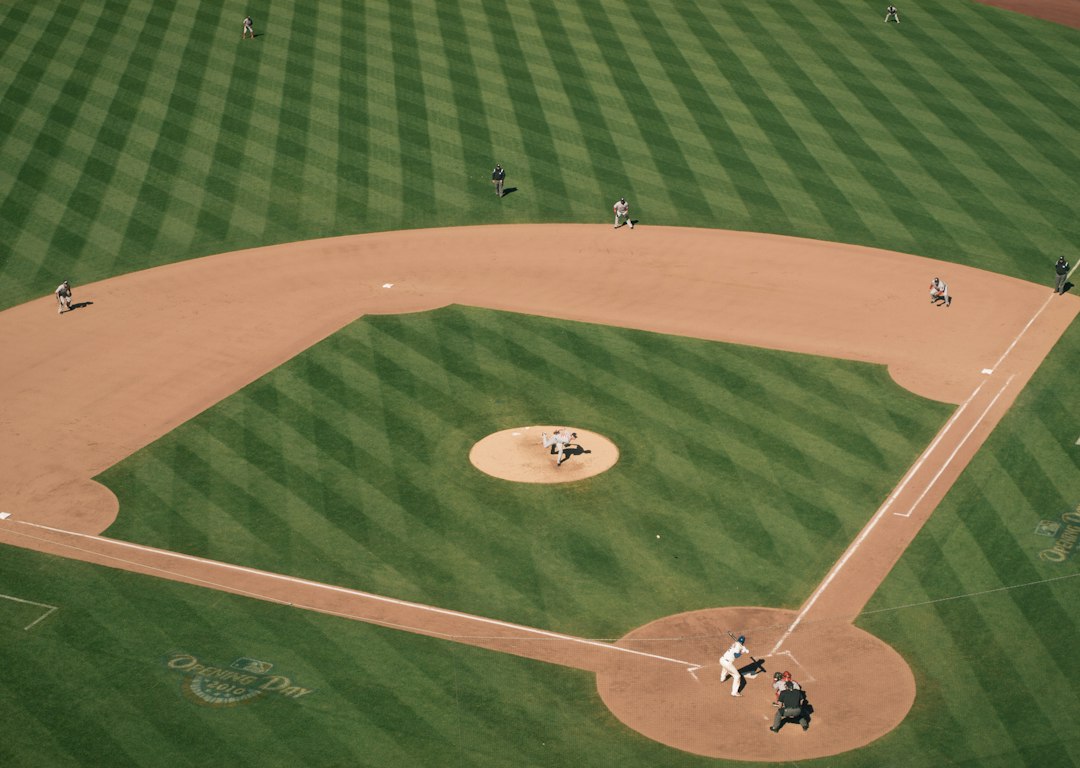
The Diamond Layout
The baseball field, often called the diamond, isn’t actually a diamond shape in its entirety, but the infield certainly is. It’s a square with 90 feet between each corner for professional baseball (distances can vary in youth leagues).
- Home Plate: This is where the batter stands. It’s a five-sided slab of rubber, and it’s the start and end point for scoring a run.
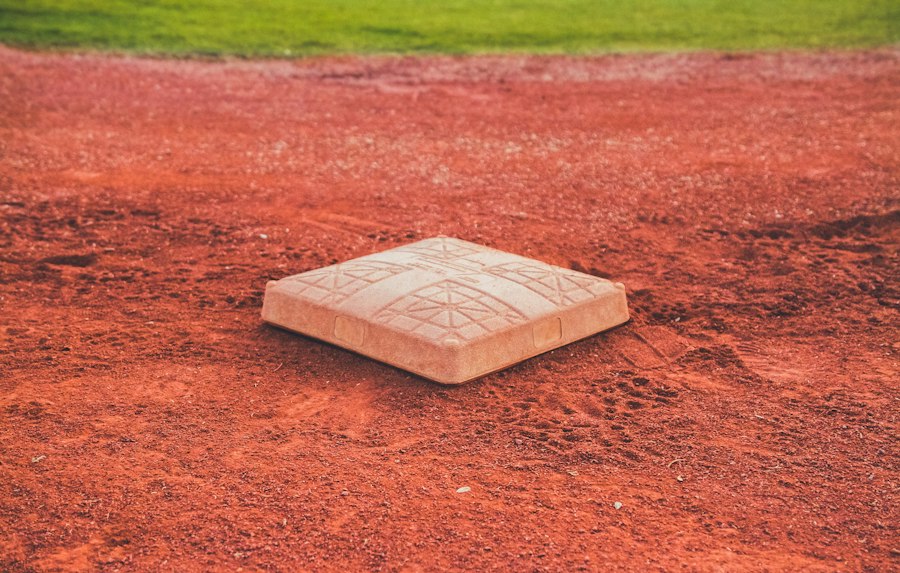
- First Base, Second Base, and Third Base: These are square canvas bags, each occupying a corner of the diamond. A runner must touch them in order to advance.
- Pitcher’s Mound: In the center of the infield is a raised mound where the pitcher stands. The distance from the front of the pitcher’s mound to home plate is 60 feet 6 inches.
- Outfield: Beyond the infield lies the outfield, a much larger grassy area. It’s not perfectly square; the fences that define its boundaries are often curved.
- Foul Lines: Two lines extend from home plate past first and third base, all the way to the outfield fence. Anything hit outside these lines is generally considered “foul” and doesn’t count as a fair ball unless it lands fair and rolls foul past first or third base.
Essential Player Equipment
Players wear and use specific equipment, not just for performance but also for safety.
- Bat: The offensive weapon. Bats are typically made of wood in professional leagues and metal alloys in amateur leagues. They have specific length and diameter restrictions.
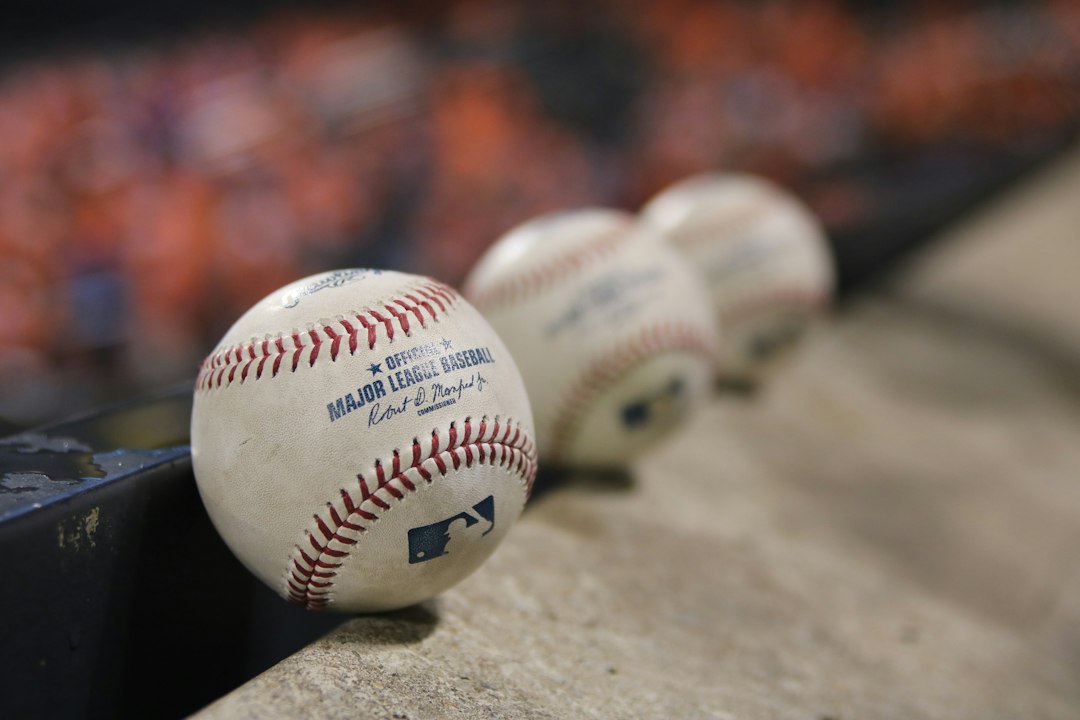
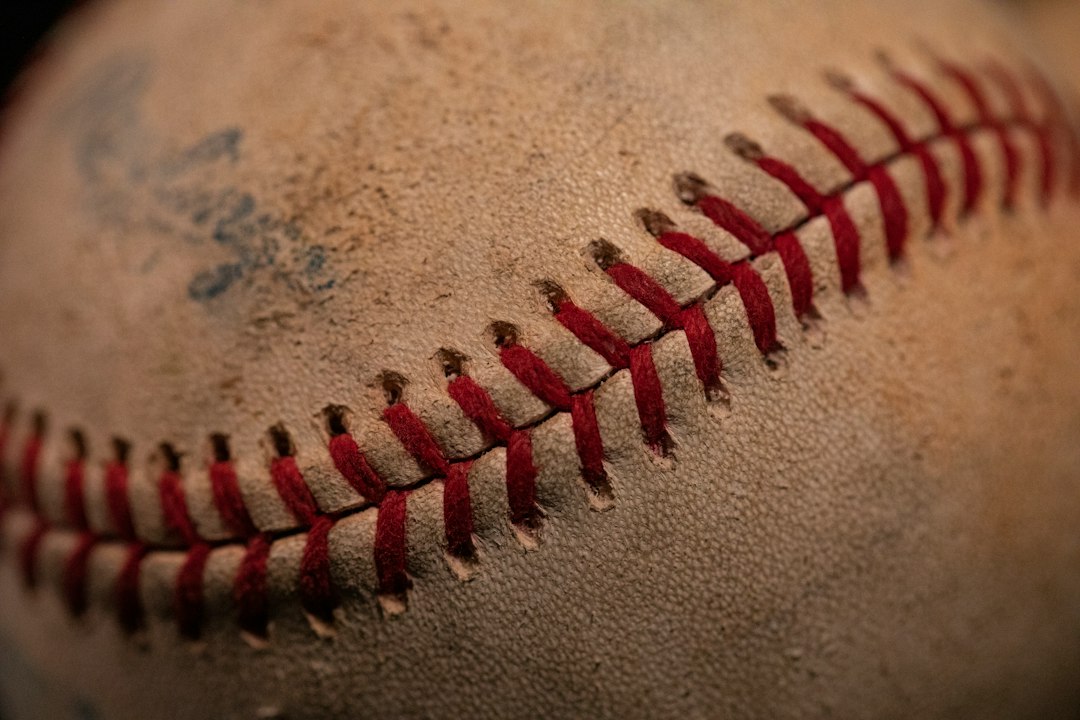
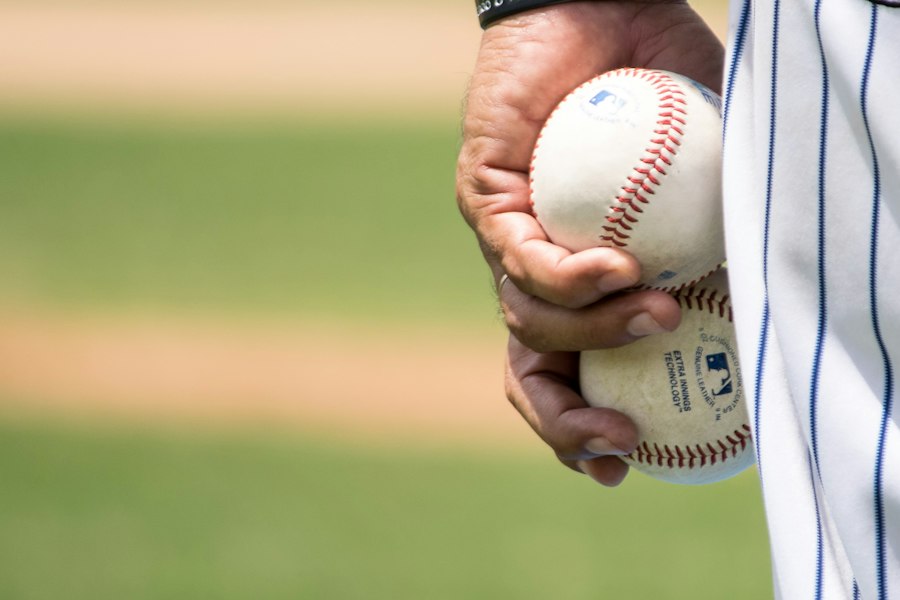
- Ball: A cork or rubber core, wound with yarn, and covered in white leather with red stitching. It’s surprisingly hard.
- Gloves/Mitts: Defensive players wear large leather gloves to help catch the hard-hit or thrown ball. Catchers wear a specialized, heavily padded mitt.
- Helmets: Batters and base runners wear helmets to protect against errant pitches or thrown balls. Catchers also wear a full mask and helmet combination.
- Uniforms: Teams wear matching uniforms, usually including a jersey, pants, and a cap. These aren’t just for looks; they help identify players and teams.
For those interested in understanding the intricacies of various sports, a related article that delves into the latest news and highlights in American football can provide valuable insights. You can check out this informative piece at American Football: Today’s Top News and Highlights, which complements the knowledge gained from “How Baseball Rules Work: A Complete Beginner’s Guide” by offering a broader perspective on sports regulations and updates.
The Objective: Scoring Runs and Getting Outs
Baseball is a game of offense versus defense, with each team trying to maximize their score while minimizing their opponent’s.
How to Score a Run
The ultimate goal for the offensive team is to score runs. A run is scored when a player on offense successfully touches all four bases – first, second, third, and home plate – in that specific order, without being called out.
- Hitting the Ball: The most common way to get on base is to hit a fair ball (a ball that lands within the foul lines) and reach first base safely before the defensive team can get the ball there to tag you or the base.
- Advancing Around Bases: Once on base, a player tries to advance to subsequent bases. This can happen on another teammate’s hit, a walk, a stolen base attempt, or a defensive error.
- Touching Home Plate: When a runner successfully touches home plate after touching first, second, and third base, one run is added to their team’s score.
How to Get Outs
The defensive team’s objective is to prevent the offensive team from scoring by getting “outs.” There are many ways to get an out, and when a team accumulates three outs, their turn at bat (called an “inning”) ends.
- Strikeout: A batter gets three “strikes” (swings and misses, or pitches thrown in the strike zone not swung at). If they get three strikes, they’re out.
- Fly Out: If a batter hits the ball into the air and a defensive player catches it before it touches the ground, the batter is out.
- Force Out: If a runner is forced to advance to a base (because the batter becomes a runner, or another runner is behind them), and a defensive player with the ball touches that base before the runner arrives, the runner is out.
- Tag Out: If a runner is not forced to advance, a defensive player must touch them with the ball (or the glove holding the ball) while the runner is not on a base.
- Ground Out: A batter hits the ball on the ground, and a defensive player fields it and throws it to first base before the batter reaches it.
- Double Play: A defensive team gets two outs on the same play. This is a very effective defensive maneuver.
- Triple Play: Three outs on the same play. This is extremely rare.
The Flow of the Game: Innings and At-Bats
Baseball isn’t played on a clock; it’s played in distinct segments called innings, and each team gets a turn to bat within those innings.
Innings Explained
A standard baseball game consists of nine innings.
- Top Half: The visiting team bats first in the “top half” of the inning.
- Bottom Half: After the visiting team gets three outs, the home team bats in the “bottom half” of the inning.
- Completing an Inning: Once both teams have batted and recorded three outs each, one full inning is complete.
- Extra Innings: If the score is tied after nine innings, the game continues into “extra innings” until one team is leading at the end of a full inning.
The At-Bat: Batter vs. Pitcher
The core interaction in baseball is the battle between the pitcher and the batter.
- Pitcher’s Goal: The pitcher’s job is to throw the ball past the batter and into the strike zone, or to induce the batter to hit a weak ground ball or a fly ball that can be caught. They want to get three strikes on the batter.
- Batter’s Goal: The batter’s job is to hit the ball fairly into play, ideally in a way that allows them to get on base and advance. They want to avoid getting three strikes.
- Balls and Strikes:
- Strike: A pitch is a strike if the batter swings and misses, the batter doesn’t swing at a pitch that passes through the “strike zone” (an imaginary area over home plate between the batter’s knees and the midpoint of their torso), or the batter hits the ball foul (unless they already have two strikes).
- Ball: A pitch is a ball if it doesn’t pass through the strike zone and the batter doesn’t swing at it.
- Outcomes of an At-Bat:
- Walk (Base on Balls): If the pitcher throws four “balls” before getting three “strikes” or the batter puts the ball in play, the batter is awarded first base.
- Hit: The batter hits the ball into fair territory and reaches base safely. This can be a single (to first base), a double (to second base), a triple (to third base), or a home run (out of the park, or fair into the stands, allowing the batter and all runners to score).
- Out: The batter is retired by a strikeout, fly out, ground out, etc.
Defensive Positions and Their Roles
Each player on the field has a specific role and position, strategically placed to cover the field. There are nine defensive players on the field at any given time.
The Battery: Pitcher and Catcher
These two players work together and are often considered the most crucial defensive pairing.
- Pitcher: Stands on the mound and throws the ball to the batter. They aim to get outs by striking batters out or inducing weak contact. Pitchers often have a repertoire of different pitches (fastball, curveball, slider, changeup) to keep batters off balance.
- Catcher: Squats behind home plate, receiving pitches the batter doesn’t hit. They also call pitches (suggesting what type of pitch the pitcher should throw), field bunts, block errant pitches, and are responsible for throwing out runners attempting to steal bases.
The Infielders
These players cover the area around the bases.
- First Baseman: Positioned near first base. Their primary job is to catch throws from other infielders to get outs at first base. They also field ground balls hit in their area.
- Second Baseman: Positioned between first and second base. They field ground balls, cover second base on throws, and often participate in double plays.
- Shortstop: Positioned between second and third base. This is often considered the most demanding infield position, as they cover a wide range of territory, make difficult throws, and are critical in double plays.
- Third Baseman: Positioned near third base. They often handle hard-hit balls down the third base line and make long throws to first base.
The Outfielders
These players cover the large grassy area beyond the infield.
- Left Fielder: Covers the left side of the outfield.
- Center Fielder: Covers the central part of the outfield. This player often has the best range and speed, as they cover the most ground and are critical for catching deep fly balls.
- Right Fielder: Covers the right side of the outfield.
All outfielders are responsible for catching fly balls, fielding ground balls hit into the outfield, and throwing the ball back to the infield to prevent runners from advancing further or to throw out runners attempting to score.
If you’re looking to deepen your understanding of baseball rules, you might find it helpful to explore related topics in the world of sports. For instance, an article discussing key highlights from various sports events can provide context on how rules are applied in real games. You can check out this insightful piece that covers Asia and global sports highlights from the last 24 hours, which may enhance your appreciation of the game. To read more, visit this article.
Key Rules and Concepts to Understand
| Rule Aspect | Description | Key Metrics/Terms | Example |
|---|---|---|---|
| Innings | Game divided into 9 innings, each team bats once per inning | 9 innings, top and bottom halves | Team A bats in top of 1st, Team B bats in bottom of 1st |
| Outs | Each team gets 3 outs per inning half | 3 outs per half-inning | After 3 outs, teams switch roles (batting/fielding) |
| Strikes and Balls | Pitching count determines batter’s fate | 3 strikes = out, 4 balls = walk | Batter strikes out on 3rd strike or walks on 4th ball |
| Runs | Scored when a player rounds all bases and reaches home plate | Runs scored per inning, total runs determine winner | Player hits a home run, scores 1 run plus any runners on base |
| Base Running | Players advance bases to score runs | First, Second, Third base, Home plate | Runner on first advances to second on a hit |
| Fielding Positions | 9 defensive players with specific roles | Pitcher, Catcher, 1B, 2B, 3B, SS, LF, CF, RF | Pitcher throws ball, catcher receives pitches |
| Foul Ball | Ball hit outside the foul lines | Counts as strike unless batter has 2 strikes | Foul ball with 2 strikes does not count as strike 3 |
| Home Run | Ball hit out of play in fair territory, automatic score | 1 run plus runners on base | Player hits ball over outfield fence |
| Stealing Bases | Runner advances to next base during pitch | Risk of being tagged out | Runner steals second base successfully |
| Umpires | Officials who enforce rules and calls | Home plate umpire, base umpires | Umpire calls balls, strikes, outs |
Baseball has a lot of specific situations and rules that can sometimes be confusing. Here are a few important ones.
The Strike Zone
As mentioned, the strike zone is an imaginary area over home plate. Its exact boundaries can sometimes be a point of contention and are determined by the umpire for each individual batter. Generally, it’s defined as the area above home plate, between the batter’s knees and the midpoint of their torso (often around the letters on their jersey). If a pitch passes through this zone and the batter doesn’t swing, it’s a strike.
Fair vs. Foul Ball
Understanding what constitutes a fair ball is crucial.
- Fair Ball: A ball hit by the batter that lands within the foul lines, or lands foul but rolls fair before reaching first or third base, or hits first or third base directly, or lands fair and rolls foul after passing first or third base.
- Foul Ball: A ball hit by the batter that lands outside the foul lines before reaching first or third base. If a batter hits a foul ball, it counts as a strike, unless they already have two strikes. With two strikes, a foul ball doesn’t count as a third strike (unless it’s a bunt attempt with two strikes, which would be an out).
Force Plays vs. Tag Plays
This distinction is important for understanding how outs are made on the bases.
- Force Play: Occurs when a runner must advance to the next base because the batter has become a runner, or another runner behind them is also advancing. In a force play, the defensive player only needs to touch the base with the ball (or glove containing the ball) before the runner arrives. The runner does not need to be tagged. Example: A runner on first base, and the batter hits a ground ball. The runner on first is forced to second.
- Tag Play: Occurs when a runner is not forced to advance. In this situation, the defensive player must physically touch the runner with the ball (or the glove containing the ball) while the runner is off base. Example: A runner on second base with no one on first. The batter hits a fly ball that is caught. The runner on second is not forced to advance and can try to run to third after the catch, but they would need to be tagged out if they are off the base.
Baserunning Rules
Baserunning adds a lot of strategy to the game.
- Lead-Offs: Runners are allowed to take a certain distance off the base before the pitch is thrown, hoping to get a head start.
- Stealing Bases: A runner can attempt to advance to the next base during the pitcher’s delivery, without the ball being hit. If they reach the base safely before being tagged out, it’s a stolen base.
- Tagging Up: If a batter hits a fly ball that is caught, runners on base must return to their original base (tag up) before they can advance to the next base. If they leave the base before the ball is caught, they can be called out.
- Obstruction: When a defensive player impedes a runner who is attempting to advance, without having the ball or being in the act of fielding a batted ball.
- Interference: When an offensive player impedes a defensive player who is attempting to make a play.
Substitutions
Unlike many sports, substitutions in baseball are generally permanent. Once a player is removed from the game, they cannot re-enter. This is why managers are very strategic about when to make changes, especially with pitchers.
- Pinch Hitter: A player who comes in to bat for another player, typically in a crucial situation.
- Pinch Runner: A player who comes in to run the bases for another player, usually because they are faster.
- Relief Pitcher: A pitcher who comes into the game to replace the starting pitcher, often in later innings or when the starter is struggling.
Understanding these foundational rules and concepts should give you a solid basis for enjoying and appreciating the intricacies of a baseball game. It’s a sport where every pitch and every play can change the outcome, and that’s a big part of its enduring appeal.
SportsOnTV.tv Where it’s always “Game On”
FAQs
1. How many players are on a baseball team?
A standard baseball team consists of nine players on the field at a time. These players are positioned in specific areas such as pitcher, catcher, infielders, and outfielders.
2. What is the role of the designated hitter in baseball?
In leagues that use a designated hitter (DH), this player is designated to bat in place of the pitcher. The DH does not play a defensive position in the field, allowing teams to have a stronger hitter in the lineup.
3. How does scoring work in baseball?
In baseball, a team scores a run when a player successfully crosses home plate after touching all the bases. Runs are accumulated throughout the game, and the team with the most runs at the end wins.
4. What is the purpose of the infield fly rule in baseball?
The infield fly rule is designed to prevent the defense from intentionally dropping a pop-up in the infield to create a double play. When an umpire invokes the infield fly rule, the batter is automatically out, regardless of whether the ball is caught.
5. How does a baseball game end?
A standard baseball game consists of nine innings, with each inning divided into two halves – one for each team to bat and play defense. The game ends when both teams have completed their turns at bat in the ninth inning, and the team with the most runs is declared the winner.