
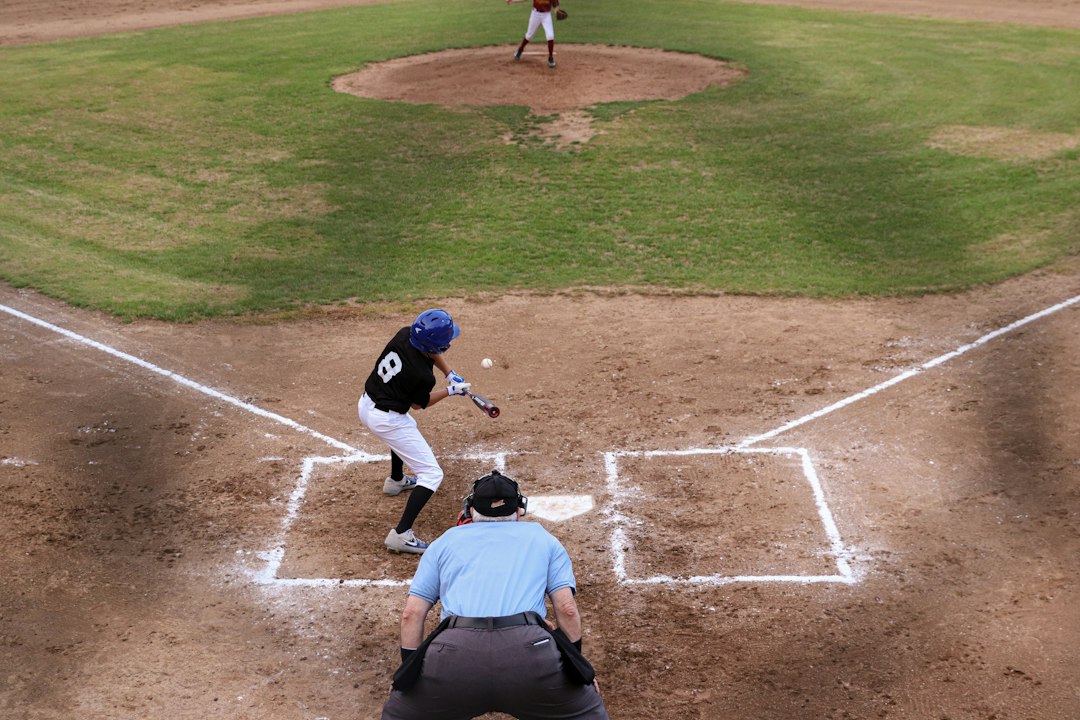
Ever wondered what all those players are actually doing out there on a baseball field? You’re not alone. Each position has a distinct job, and understanding those roles makes the game a whole lot more interesting to watch. In essence, baseball is a team sport where every player on the field, nine of them at any given time, has a specific set of responsibilities to contribute to both defense and offense. Let’s break down who does what.
The Infield Crew: The Heart of the Defense
The infield is where a lot of the fast-paced action happens. These four players are constantly reacting to batted balls, making quick throws, and covering bases. Their ability to work together seamlessly is crucial for preventing runs.
The Catcher: The Field General
Behind home plate sits the catcher, arguably one of the most important defensive players. Their primary job is to receive pitches from the pitcher. This isn’t as simple as it sounds; they need to frame pitches to make them look good for the umpire, block pitches in the dirt to prevent wild pitches and passed balls, and call pitches based on the batter, game situation, and the pitcher’s strengths.
But their role extends far beyond catching. The catcher is often considered the “field general” because they have a full view of the field. They communicate with the pitcher through hand signals, relaying signs for different pitches. They’re also responsible for preventing stolen bases, which involves quick throws to second or third. During bunts, they’re often the first to retrieve the ball and make a throw. Catchers need strong legs for squatting for extended periods, quick reflexes, and excellent arm strength. They also wear a lot of protective gear – a mask, chest protector, and shin guards – because of the high risk of impact from foul tips and errant pitches. On offense, catchers are often expected to be good hitters, sometimes even power hitters, though their defensive prowess is usually prioritized.
The First Baseman: The Target Man
Stationed at first base, the first baseman’s main duty is to catch throws from other infielders and outfielders to get outs. Because they receive so many throws, they need to be tall, have good hands, and be able to stretch to catch errant throws, scooping balls out of the dirt if necessary. This stretching ability often gives them the nickname “the vacuum cleaner” or “the scooper.”
Beyond receiving throws, the first baseman is also involved in covering first base on ground balls hit to the right side of the infield, holding runners on base to prevent steals, and fielding bunts. They also participate in cutoffs and relays from the outfield. While not always the most agile player, a good first baseman has excellent footwork around the bag and knows how to position themselves for a variety of plays. Offensively, first basemen are often power hitters, expected to drive in runs and hit for a high average.
The Second Baseman: The Pivot Man
The second baseman covers the area between first and second base. Their primary responsibilities include fielding ground balls and line drives in their territory, covering second base on throws from the catcher and pitcher during attempted steals, and turning double plays. Turning a double play involves catching a throw from another infielder, touching second base, and then quickly throwing to first base – all while avoiding the incoming runner. This requires incredibly quick hands, footwork, and a strong, accurate throw.
Second basemen also play a vital role in cutoffs and relays, positioning themselves to receive throws from the outfield and relay them to the correct base. They need good range, quick reactions, and a strong understanding of game situations. Often, second basemen are smaller and quicker than other infielders, prioritizing agility and defensive finesse. On offense, they are often expected to be good contact hitters, capable of getting on base and moving runners along.
The Shortstop: The Commander of the Infield
The shortstop is positioned between second and third base and is widely considered the most demanding defensive position in baseball. They cover the largest area of the infield and are responsible for fielding a vast majority of ground balls and line drives hit to the left side of the infield. Their duties are similar to the second baseman’s but often amplified due to the distance to first base.
A shortstop needs exceptional range, a strong and accurate arm (often making long throws across the diamond to first base), excellent footwork, and quick reflexes. They are also heavily involved in turning double plays, often initiating the play by fielding the ball, tagging second, and throwing to first. Shortstops also cover second base on attempted steals and cut off throws from the outfield. Given the athleticism and defensive prowess required, shortstops are often seen as the leaders of the infield and sometimes the team. Offensively, while defense is paramount, many shortstops are also excellent hitters, capable of hitting for average and occasional power.
The Third Baseman: The Hot Corner Specialist
Located at third base, this position is often called the “hot corner” because of the frequent, hard-hit balls that come their way, especially from right-handed batters. The third baseman’s main job is to field ground balls and line drives in their area, which often come off the bat at high velocities. They need incredibly quick reactions and strong hands to handle these powerful shots.
In addition to fielding hard-hit balls, the third baseman also covers third base, holds runners on, fields bunts, and participates in cutoffs and relays. Their throws to first base need to be strong and accurate, as they are often throwing across their body after a difficult fielding play. They need to be fearless and possess a strong arm. On offense, third basemen are frequently power hitters, expected to drive in runs and hit for extra-base hits.
For those interested in exploring the dynamics of team sports further, a related article titled “Recent Developments in Figure Skating” provides an intriguing perspective on the roles and responsibilities of athletes in a different context. While baseball positions are defined by specific tasks on the diamond, figure skating involves a unique blend of artistry and athleticism, showcasing how different sports require distinct skill sets and teamwork. You can read more about it in the article here: Recent Developments in Figure Skating.
The Outfield Crew: The Defenders of the Deep
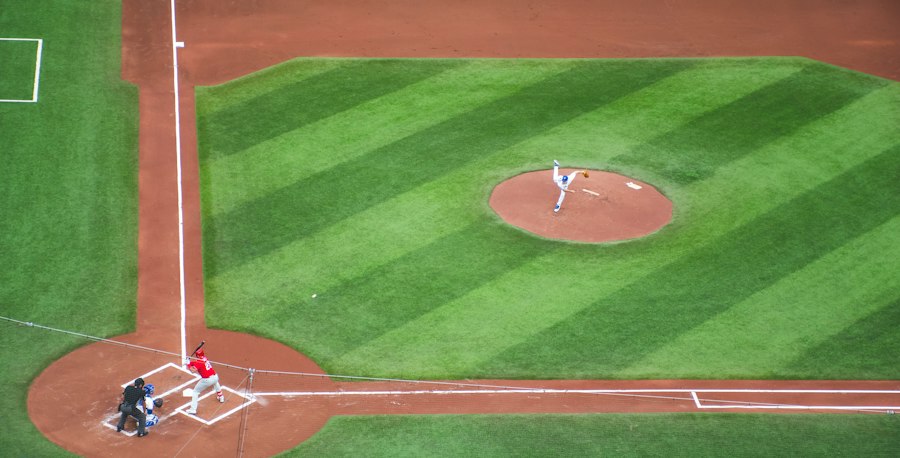
The three outfielders cover the vast expanse of the outfield grass. Their job is to catch fly balls, retrieve ground balls that get past the infielders, and prevent extra-base hits. They need speed, good judgment, and strong arms to throw runners out or keep them from advancing.
The Left Fielder: The Power Alley Watcher
The left fielder covers the left side of the outfield. Their primary responsibility is to catch fly balls and retrieve ground balls hit into their territory. They need good speed and the ability to judge the flight of a ball accurately. Because throws from left field to third base or home plate can be long, a strong arm is beneficial, though not always as critical as in center or right field depending on the specific ball park dimensions.
Left fielders also back up third base on throws and often participate in cutoff plays. They need to communicate effectively with the center fielder to avoid collisions and ensure proper coverage. Offensively, left fielders can be a mix of power hitters or contact hitters, depending on the team’s needs.
The Center Fielder: The Captain of the Outfield
The center fielder is often considered the most important outfielder, similar to the shortstop in the infield. They cover the largest area of the outfield and are responsible for catching fly balls hit to the center, left-center, and right-center gaps. Because of the sheer amount of ground they need to cover, center fielders need exceptional speed, agility, and instincts to track down fly balls.
They are the “captain” of the outfield, directing the left and right fielders on where to position themselves and communicating about incoming balls. A strong arm is crucial for throwing runners out at bases or relaying balls quickly to the infield. Center fielders are also involved in cutoff and relay plays. Many of the most iconic defensive plays in baseball history have come from center fielders. Offensively, center fielders are often fast, athletic players who can hit for average, steal bases, and occasionally hit for power.
The Right Fielder: The Arm Cannon
The right fielder covers the right side of the outfield. Their role involves catching fly balls and retrieving ground balls in their area. What often distinguishes a right fielder is the need for an exceptionally strong throwing arm. Throws from right field to third base or home plate are often the longest and most critical, particularly for preventing runners from scoring or advancing. Many right fielders are known for their ability to “gun down” runners.
Right fielders also need good judgment for tracking balls and communicating with the center fielder. They back up first base on throws and participate in cutoff plays. While all outfielders need strong arms, it’s often most emphasized in right field. Offensively, right fielders are often power hitters, capable of driving in runs and hitting for extra-base hits.
The Pitcher: The Master of the Mound
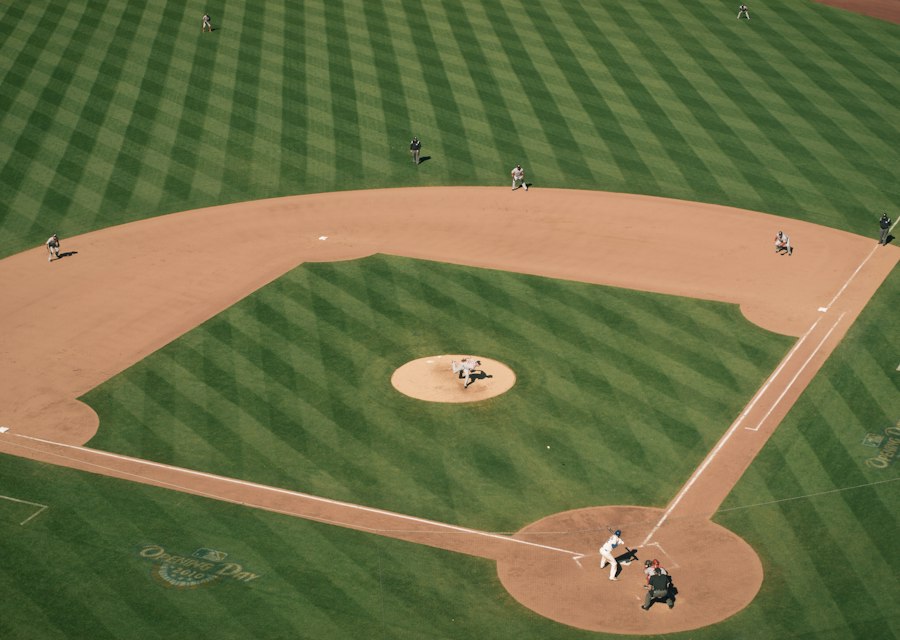
The pitcher is perhaps the most unique position in baseball, as they initiate every defensive play by throwing the ball. Their role is to prevent the opposing team from hitting the ball effectively and, ultimately, from scoring runs.
The Starting Pitcher: The Workhorse
The starting pitcher begins the game and is expected to pitch for several innings, often aiming for six to seven innings or more. Their goal is to get outs by striking out batters, forcing weak ground balls, or inducing fly balls that are caught. They use a variety of pitches – fastballs, curveballs, sliders, changeups, and more – each designed to deceive the batter.
A starting pitcher needs excellent control, stamina, and a strong mental approach to handle the pressure of pitching. They must be able to adjust their strategy based on the batter, game situation, and their own performance. A good starting pitcher can dictate the pace of the game and keep their team in a position to win. They also need to be able to field their position, covering first base on ground balls to the right side and fielding bunts.
The Relief Pitcher: The Fireman
Relief pitchers come into the game after the starting pitcher has finished their outing or is struggling. Their primary role is to get outs in high-leverage situations, protect a lead, or keep the game close. There are several types of relief pitchers:
The Middle Reliever: The Bridge
Middle relievers pitch in the middle innings, bridging the gap between the starter and the late-inning specialists. They need to be versatile and able to get outs against a variety of hitters. Their job is to keep the game from getting out of hand and turn it over to the late-inning bullpen arms.
The Set-Up Man: The Eighth Inning Ace
The set-up man typically pitches the eighth inning, setting the stage for the closer. They are often among the team’s best relief pitchers, capable of striking out batters and getting critical outs in tight situations. Their job is to maintain or expand a lead and ensure the closer has an opportunity to secure the win.
The Closer: The Final Boss
The closer pitches the ninth inning (or sometimes later in extra innings) with the team holding a narrow lead. Their sole purpose is to “close out” the game by getting the final three outs and earning a save. Closers usually have a dominant pitch or two and an intimidating presence. They need nerves of steel to perform under immense pressure, with every pitch having significant implications for the game’s outcome.
The Designated Hitter: The Bat-Only Specialist
In leagues that use the designated hitter (DH) rule (like the American League in Major League Baseball and some amateur leagues), this player does not play a defensive position. Their sole responsibility is to hit for the pitcher.
The DH allows teams to keep a strong hitter in the lineup who might not be a good defensive player, or to give a regular position player a partial rest from defensive duties while still contributing with their bat. This position is purely offensive, with the goal of adding power and run production to the lineup. DHs are often veteran sluggers who can still hit well but whose defensive skills have diminished.
For those looking to deepen their understanding of baseball, the article on baseball positions provides a comprehensive overview of the various roles and responsibilities players have on the field. To complement this knowledge, you might find the piece on extreme sports highlights particularly interesting, as it showcases the excitement and dynamics of different athletic events. You can read more about it in this article, which captures the thrill of competition in a variety of sports.
The Bench Players: Ready for Action
| Position | Role | Primary Responsibilities | Key Skills |
|---|---|---|---|
| Pitcher (P) | Starting the play | Throws the ball to the catcher to begin each play, aims to get batters out | Accuracy, velocity, stamina, strategic thinking |
| Catcher (C) | Receiving pitches | Catches pitches, calls the game, prevents base stealing, fields bunts | Strong arm, quick reflexes, game awareness |
| First Baseman (1B) | Fielding at first base | Fields ground balls, catches throws to get runners out at first base | Good catching ability, footwork, reach |
| Second Baseman (2B) | Middle infield defense | Fields ground balls, turns double plays, covers second base | Agility, quick hands, coordination |
| Shortstop (SS) | Middle infield defense | Fields ground balls between second and third base, turns double plays | Range, arm strength, quick decision-making |
| Third Baseman (3B) | Fielding at third base | Fields bunts and ground balls, strong throws to first base | Strong arm, quick reflexes, reaction time |
| Left Fielder (LF) | Outfield defense | Catches fly balls, fields hits to left field, backs up infielders | Speed, catching ability, throwing accuracy |
| Center Fielder (CF) | Outfield defense | Covers most ground in outfield, catches fly balls, backs up other outfielders | Speed, range, strong arm |
| Right Fielder (RF) | Outfield defense | Catches fly balls, fields hits to right field, strong throws to third base | Strong arm, speed, catching ability |
Beyond the nine players on the field and the designated hitter, every team has a roster of bench players. These players are crucial for substitutions, pinch-hitting, pinch-running, and injury replacements.
The Pinch Hitter: The Timely Bat
A pinch hitter is a player who substitutes for another player (often the pitcher or a struggling hitter) when a crucial at-bat arises. Their job is to get on base or drive in runs. Pinch hitters need to be ready to step into the game cold and immediately produce. They often specialize in hitting for power or making contact in clutch situations.
The Pinch Runner: The Speed Demon
A pinch runner is a player who substitutes for another player already on base, usually to provide more speed and increase the chances of scoring or advancing. They need to be fast and have good instincts for stealing bases and taking extra bases on hits. Pinch runners are typically used in late-game situations when a single run could make the difference.
The Defensive Replacement: The Glove Wizard
A defensive replacement is brought into the game late to improve the team’s defense, often in a close game. For example, a fast, good-gloved outfielder might replace a slower, stronger-hitting outfielder to cover more ground, or a slick-fielding infielder might come in to secure the late innings. Their primary job is to ensure no errors are made and to make difficult plays.
The Utility Player: The Versatile Asset
A utility player is someone who can play multiple positions effectively. They are incredibly valuable to a team because they provide flexibility and depth. If an injury occurs or a strategic substitution is needed, a utility player can seamlessly fill in at various spots, whether it’s an infield position, an outfield spot, or even catcher in some rare cases. Their versatility allows the manager more options during a game and over the course of a season. They might not be an everyday starter at one position, but their ability to contribute everywhere makes them indispensable.
Understanding these roles not only enhances your appreciation for the game but also highlights the incredible athleticism and specialized skills each player brings to the diamond. It’s a complex dance of individual talent and team coordination, making every play a strategic battle.
SportsOnTV.tv Where it’s always “Game On”
FAQs
What is the role of a pitcher in baseball?
A pitcher is responsible for throwing the ball to the batter with the goal of getting them out. They must have good accuracy, speed, and control to keep the opposing team from scoring runs.
What does a catcher do in baseball?
A catcher is positioned behind home plate and is responsible for catching pitches thrown by the pitcher. They also play a crucial role in signaling pitches, blocking balls in the dirt, and throwing out baserunners attempting to steal bases.
What are the responsibilities of a first baseman?
A first baseman is primarily responsible for fielding throws from other players and covering first base to record outs. They also need to have good reflexes and agility to field ground balls and make quick plays.
What is the role of a shortstop in baseball?
A shortstop is a key defensive player positioned between second and third base. They are responsible for fielding ground balls, making throws to other bases, and covering a large area of the infield to prevent hits and turn double plays.
What does an outfielder do in baseball?
Outfielders are responsible for catching fly balls hit into the outfield, preventing extra-base hits, and throwing the ball back to the infield to stop baserunners from advancing. They need good speed, agility, and a strong arm to excel in their position.