

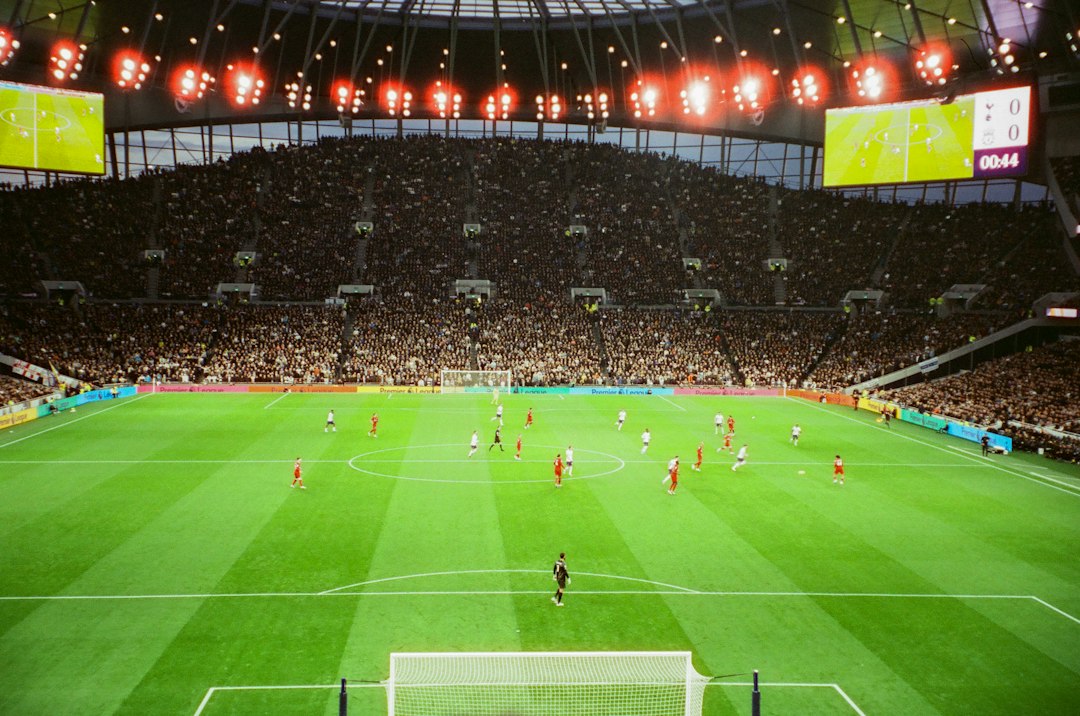
Offside in soccer can seem like a head-scratcher, even for seasoned fans, but at its core, it’s pretty straightforward: a player is in an offside position if they are nearer to the opponent’s goal line than both the ball and the second-to-last opponent when the ball is played to them. The key thing is that being in an offside position isn’t enough to be penalized; a player only commits an offside offense if they’re actively involved in the play while in that position. The rule is designed to prevent players from simply “goal-hanging” and waiting by the opponent’s goal for a pass, which would make the game much less dynamic and strategic. Understanding the nuances of “when the ball is played” and “active involvement” is where things get a bit more detailed, but with a clear breakdown, it becomes much easier to follow.
Understanding the Offside Position
The first step to grasping offside is to properly define what an “offside position” actually is. It’s crucial to remember that simply being in this position is not an offense in itself; it’s a precursor to one. Think of it like being in the wrong place at the wrong time. For a player to be considered in an offside position, three conditions must be met simultaneously at the precise moment the ball is played by a teammate.
The Opponent’s Half
The very first condition to even consider offside is that the player must be in the opponent’s half of the field. If a player is in their own half, they cannot be offside, regardless of their proximity to the goal, the ball, or any defenders. This is a clear boundary that simplifies many potential offside situations. So, if a long ball is played from deep in your own half and you’re receiving it closer to the opponent’s goal but still in your half, you’re good.
Closer to the Opponent’s Goal Line
This is the core component. A player is in an offside position if they are nearer to the opponent’s goal line than both:
- The ball: This means the player must be ahead of the ball, further down the field towards the opponent’s goal than where the ball is located when it’s passed or kicked.
- The second-to-last opponent: This is often the trickiest part. It refers to the second-to-last defender, which almost always means all outfield players plus the goalkeeper. In most cases, the goalkeeper is the last opponent, leaving one outfield player as the “second-to-last.” However, if the goalkeeper is caught out of position, or has joined the attack for a set piece, another outfield player might be the last or second-to-last opponent. The key is that there must be at least two opponents (including the goalkeeper) closer to their own goal line than the attacking player. If there’s only one opponent (usually the goalkeeper) between the attacking player and the goal line, the attacking player is in an offside position.
The Moment the Ball is Played
This is a critical temporal element. Offside is judged only at the exact moment the ball is played by a teammate. It does not matter where the player ends up afterward, or where the defenders move to. The “snapshot” in time is when the ball leaves the teammate’s foot (or head, or any other body part legally used to play the ball). This is why linesmen (now called assistant referees) need to be so precise with their timing, often “freezing” their perception at that exact instant. If a player starts in an onside position, then sprints past the defenders to receive the ball, they are not offside, because they were onside when the ball was played. Conversely, if they start in an offside position and then drop back, they are still offside.
If you’re interested in understanding the intricacies of soccer rules, particularly the offside rule, you might also find value in exploring recent developments in North American sports. This article provides insights into how various sports are evolving, which can enhance your overall appreciation of the game. For more information, check out the article here: Recent Developments in North American Sports.
The Offside Offense: When It Actually Matters

As we’ve established, simply being in an offside position isn’t enough for a whistle. An actual offside offense only occurs if a player, while in an offside position at the moment the ball is played, becomes “involved in play.” This involvement is what triggers the penalty. The Laws of the Game define “involved in play” in three main ways, which cover the vast majority of scenarios.
Interfering with Play
This is perhaps the most common way an offside offense is committed. A player is considered to be interfering with play if they touch or play the ball after it has been passed or touched by a teammate. This is the simplest and most direct form of involvement. If you’re offside and you go for the ball, even if you just get a slight touch, you’ve interfered with play. This also applies if you attempt to play the ball and miss, but your attempt clearly impacts the play (e.g., forcing a defender to react).
Interfering with an Opponent
This category is a bit more nuanced and often leads to more debate. A player in an offside position is deemed to be interfering with an opponent if they:
- Prevent an opponent from playing or being able to play the ball by obstructing the opponent’s line of vision or challenging an opponent for the ball. This could be by standing directly in front of a defender, blocking their view of the ball or the pass, even if there’s no physical contact. Challenging for the ball means making a clear movement towards the ball in a way that forces a defender to react or compete.
- Clearly attempt to play a ball which is close to them when this action impacts on an opponent. This means even if you don’t touch the ball, if you make a move towards it while in an offside position, and that move makes a defender hesitate, change direction, or otherwise alters their play, it can be called offside.
- Make an obvious action which clearly impacts on the ability of an opponent to play the ball. This is a broad category designed to cover situations where the offside player’s presence directly influences a defender’s decision-making or action. For example, if a defender is about to clear a ball, but an offside player is standing right next to them, causing the defender to kick it out of bounds for fear of hitting the offside player or losing possession, it could be an offside offense. The key here is the impact on the opponent.
Gaining an Advantage
This is a crucial element that addresses situations where an offside player benefits from their illegal position. A player is considered to be gaining an advantage by being in an offside position when they:
- Play the ball or interfere with an opponent when the ball has:
- Rebounded or been deflected off the goalpost, crossbar or an opponent. Imagine an offside player who is just standing there. The ball hits the post and rebounds directly to them. Because they were in an offside position when the initial shot was taken, and then gained an advantage by collecting the rebound, they are offside.
- Been saved by an opponent. Similarly, if an offside player receives a ball that was initially saved by the goalkeeper or another defender, they are gaining an advantage from their offside position.
- Play the ball or interfere with an opponent when the ball has been deliberately saved by an opponent. The term “deliberately saved” means an intentional action by an opponent to stop the ball from going into or near the goal, or to divert it away from danger. This distinction is important because it differentiates from a simple deflection. If a defender intentionally blocks a shot and the ball goes to an offside player, that player is offside.
It’s vital to note that a player cannot be offside if they receive the ball directly from a goal kick, a throw-in, or a corner kick. These are special restarts of play where the offside rule is temporarily suspended for the recipient of the ball directly from these actions.
Exceptions and Special Cases
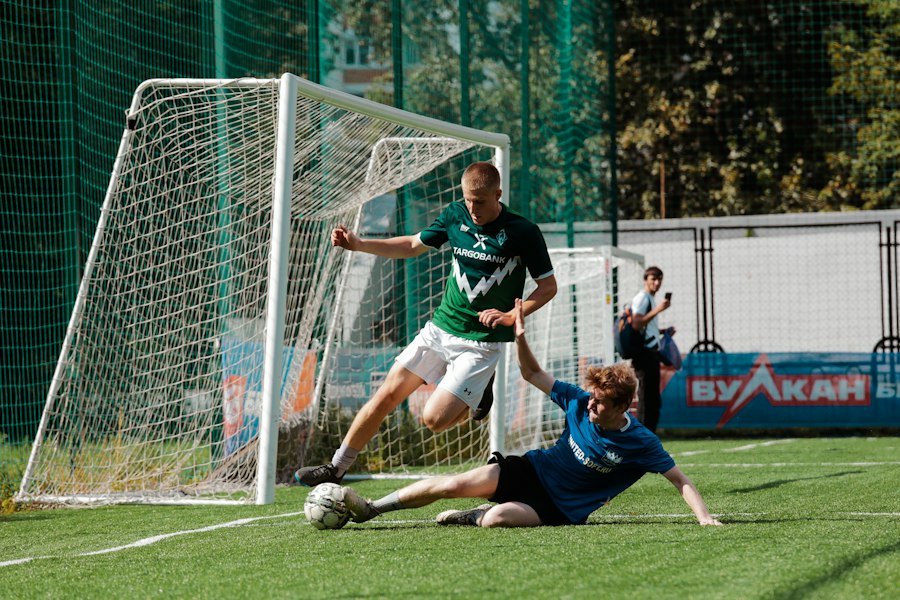
While the core rules cover most situations, there are a few important exceptions and specific scenarios that warrant a closer look. These are often the source of confusion but are designed to keep the game flowing fairly.
Not Offside from Certain Restarts
As mentioned briefly, a player cannot be penalized for offside if they receive the ball directly from certain set pieces. This is a fundamental exception designed to allow for more direct and immediate attacking opportunities from these restarts.
- Goal Kick: A player is never offside if they receive the ball directly from a goal kick, even if they are in an offside position when the kick is taken. This allows for long clearances and quick counter-attacks from the defensive end.
- Throw-in: Similarly, a player cannot be offside if they receive the ball directly from a throw-in. This enables attacking players to position themselves strategically near the touchline without immediate fear of being called offside, promoting quick attacks down the wings.
- Corner Kick: A player receiving the ball directly from a corner kick is also exempt from the offside rule. This allows players to crowd the penalty area for attacking headers or volleys without worrying about their initial position relative to the defenders.
Deliberate Play by an Opponent
This is one of the most significant updates and areas of contention in offside interpretation. The rule states that a player in an offside position receiving the ball is not offside if the ball has been “deliberately played” by an opponent (unless it’s a deliberate save, which we covered earlier). This means if a defender intentionally plays the ball – for example, makes a pass, attempts a tackle, or tries to clear the ball – and that ball goes to an attacker who was in an offside position, the attacker is then considered onside because the defender’s deliberate action reset the offside phase.
The challenge here lies in defining “deliberate play.” It’s not just any touch. The Law clarifies that “deliberate play” involves the opponent having the possibility to control the ball. If the ball deflects off a defender inadvertently, or they make a desperate, instinctive block with little control, that’s typically not considered deliberate play. It requires a conscious decision and a degree of control. This is where VAR often comes into play, as officials try to determine the intent and control behind an opponent’s touch.
Active vs. Passive Offside
The concept of “active” versus “passive” offside is crucial. As highlighted, simply being in an offside position is passive; it’s not an offense. The offense only occurs when a player in an offside position becomes actively involved in play. This means that a player can be in an offside position throughout an entire attacking move, but as long as they don’t interfere with an opponent, touch the ball, or gain an advantage, they are not penalized.
For example, if a teammate makes a long run and scores, and another attacker was in an offside position but standing motionless at the far post, not obstructing the goalkeeper or defenders, and never touching the ball, that goal would stand. This distinction allows attacking teams more freedom in their positioning and prevents calls for players who are simply present in an offside area but not influencing the play.
Role of the Assistant Referee (Linesman) and VAR
The offside rule is arguably the most challenging for officials to apply correctly in real-time. This is why assistant referees (ARs) and, more recently, Video Assistant Referees (VAR) play such critical roles.
Assistant Referee’s Positioning and Signal
The assistant referee’s primary responsibility is to monitor offside. They typically position themselves in line with the second-to-last defender (or the ball, whichever is closer to the goal line) of the attacking team. This positioning allows them to judge the offside line accurately at the moment the ball is played.
- Flag Up (Initially): If an AR spots an offside position, they will raise their flag straight up vertically, alerting the referee.
- Waiting to See “Interference”: However, ARs are trained to delay raising their flag in situations where the offside player might not immediately interfere with play, especially if a teammate in an onside position has a clear chance to play the ball. This is to avoid stopping a promising attack unnecessarily. They wait to see if the offside player actually becomes involved.
- Directional Flag: Once the referee acknowledges the flag, the AR will then lower their flag to indicate where the offside offense occurred on the field:
- Flag angled downwards (towards the attacking team’s goal): Offside occurred in the third of the field furthest from the AR.
- Flag horizontal: Offside occurred in the middle third of the field.
- Flag angled upwards (towards the AR’s position): Offside occurred in the third of the field closest to the AR.
This directional signal helps the referee quickly identify the restart point for the free kick.
The Referee’s Final Decision
While the AR signals for offside, the final decision always rests with the main referee. The referee can overrule an AR’s offside call, although this is relatively rare, especially for clear-cut offside positions. The referee’s discretion often comes into play more with the “interfering with an opponent” or “gaining an advantage” aspects, which are more interpretive.
Video Assistant Referee (VAR) Intervention
VAR has fundamentally changed how offside is managed, particularly for goal-scoring opportunities. VAR can only intervene for “clear and obvious errors” or “serious missed incidents.” For offside, this primarily applies to:
- Goal/No Goal Situations: If a goal is scored and there is a potential offside offense in the build-up or by the scorer, VAR will review it. This includes very tight decisions where a player might be offside by a matter of inches.
- Penalty Kick Incidents: While less common for offside, if an offside player’s action leads directly to a penalty decision, VAR can review it.
The introduction of VAR has led to much greater accuracy in offside calls, as officials can use slow-motion replays and precise lines drawn on the screen to determine positions at the exact moment the ball is played. However, it has also led to debates about the “spirit of the game,” the precision of lines, and the time taken for reviews, particularly for marginal offside decisions that might not have been caught by the naked eye. The interpretation of “deliberate play” by a defender is another area where VAR often spends significant time, as it’s a subjective judgment that can dramatically alter the outcome of a play.
Understanding the offside rule in soccer can be quite challenging, but it is essential for appreciating the game. For those looking to deepen their knowledge of soccer regulations, a related article that breaks down various rules in an easy-to-understand manner can be found here. This resource complements the insights provided in “How Offside Works in Soccer: Rules Explained Simply” and offers a broader perspective on the game’s intricacies.
Common Misconceptions and Clarifications
| Aspect | Description | Example |
|---|---|---|
| Offside Position | A player is in an offside position if they are nearer to the opponent’s goal line than both the ball and the second-last opponent when the ball is played to them. | Player A is behind the last defender when a teammate passes the ball forward. |
| Not Offside Situations | A player is not offside if they are level with the second-last opponent or the ball, or if they receive the ball from a goal kick, corner kick, or throw-in. | Player B receives the ball directly from a corner kick while in front of defenders. |
| Active Play | A player in an offside position is penalized only if they become involved in active play by interfering with an opponent or gaining an advantage. | Player C in offside position blocks the goalkeeper’s view during a shot. |
| Exceptions | No offside offense if the player receives the ball directly from a goal kick, corner kick, or throw-in. | Player D receives the ball from a throw-in while ahead of defenders. |
| Referee’s Assistant Role | Assistant referees monitor offside positions and signal when an offside offense occurs. | Assistant referee raises the flag when Player E is offside during a pass. |
Offside is a rule that seems simple on paper but can be quite complex in practice, leading to several common misunderstandings among fans and even players. Let’s clear up some of these.
You Cannot Be Offside from Your Own Half
This is a frequently overlooked point. A player must be in the opponent’s half of the field to be in an offside position. If you receive a ball from a teammate while still in your own half, you are never offside, regardless of how many opponents are between you and their goal, or how close you are to the goal line itself. This allows for daring long passes from deep defensive positions without the immediate threat of offside.
Offside is Judged at the Moment the Ball is Played, Not When It’s Received
This is arguably the most critical distinction. The ‘snapshot’ moment for offside is when the ball leaves the foot (or head, etc.) of the teammate who plays it. Where the player ends up, or where the defenders move to after that moment, is irrelevant to determining the offside position. An attacking player can start onside, then sprint past defenders to collect the ball and still be onside because they were onside when the ball was played. Conversely, if they start offside, even if they drop back to receive the ball, they are still offside because their position at the moment of the pass was illegal. This emphasizes the need for assistant referees to “freeze” their perspective precisely at that instant.
The “Second-to-Last Opponent” Includes the Goalkeeper
Many people incorrectly assume the second-to-last opponent always refers to an outfield player. While often true, it’s crucial to remember that the goalkeeper is an opponent. So, if the goalkeeper is caught far out of their goal, and only one outfield defender is between the attacking player and the goal line, that attacking player is offside. The rule specifies “two opponents,” which can be any combination of outfield players and the goalkeeper. Typically, the goalkeeper is the last opponent, making the defender just in front of them the second-to-last.
Attacking Players Can Be in an Offside Position Without Being Penalized
This is the distinction between “offside position” and “offside offense.” A player can stand in an offside position for minutes, not interfering with play or an opponent, and never be penalized. It’s only when they become actively involved in the play (by touching the ball, obstructing an opponent, or gaining an advantage) while in that offside position that an offense is committed. This is often referred to as “passive offside,” and it’s a key element in promoting fluid attacking play.
The Line Between “Deliberate Play” and “Deflection” is Crucial (and Often Debated)
As discussed in the “Special Cases” section, if an opponent “deliberately plays” the ball (meaning they had control and intent to play it), and it goes to an offside attacker, the attacker is then considered onside. However, if it’s merely a “deflection” (an inadvertent touch or an uncontrolled block), the original offside position still stands. This distinction is one of the most challenging for officials and VAR to interpret, as it relies on judging intent and control in a split second. A defender stretching out a leg and getting a slight touch might be considered deliberate play by one official, while another might see it as an involuntary deflection. This subjectivity is a major source of controversy in offside decisions.
Understanding these clarifications helps to demystify many of the tricky offside situations that arise in a game, allowing for a deeper appreciation of the tactical battles and the challenges faced by officials.
SportsOnTV.tv Where it’s always “Game On”
FAQs
What is the offside rule in soccer?
In soccer, a player is in an offside position if they are nearer to the opponent’s goal line than both the ball and the second-to-last defender when the ball is played to them, unless they are in their own half or level with the second-to-last defender.
How is the offside rule enforced by referees?
Referees use their judgment to determine if a player is in an offside position at the moment the ball is played to them. If the player is deemed offside, the referee will award an indirect free kick to the opposing team from the spot where the offside player was when the ball was played.
Can a player be offside without being involved in the play?
Yes, a player can be in an offside position without being directly involved in the play. However, if the player in the offside position is deemed to be interfering with an opponent or gaining an advantage from their position, they will be penalized.
Is it possible for a player to be offside from a goal kick, throw-in, or corner kick?
No, a player cannot be offside from a goal kick, throw-in, or corner kick. The offside rule only applies when the ball is played by a teammate during open play.
What happens if a player receives the ball in an offside position but was not involved in the play?
If a player receives the ball in an offside position but was not involved in the play, the offside offense is not penalized. The player can continue to play without the referee stopping the game.