
Kicking Off: Finding Your First Pair of Soccer Cleats
So, you’re ready to hit the pitch, maybe join a casual league, or just kick around with friends. That’s awesome! When it comes to soccer shoes for beginners, the “best” isn’t about the most expensive or flashiest pair. It’s about finding something comfortable, durable, and suitable for the type of surface you’ll be playing on. Think of it less like buying a sports car and more like picking out reliable everyday sneakers – function over flash, especially when you’re just starting out. The key is to get a pair that supports your foot without causing blisters and helps you grip the ground, allowing you to focus on learning the game instead of worrying about your footwear.
When selecting the best soccer cleats for beginners, it’s essential to consider factors such as fit, traction, and playing surface. For a comprehensive guide on how to choose the right soccer shoes, you can refer to this informative article that outlines key features to look for and tips for making the best choice. To learn more, visit this link.
Understanding the Different Types of Cleats
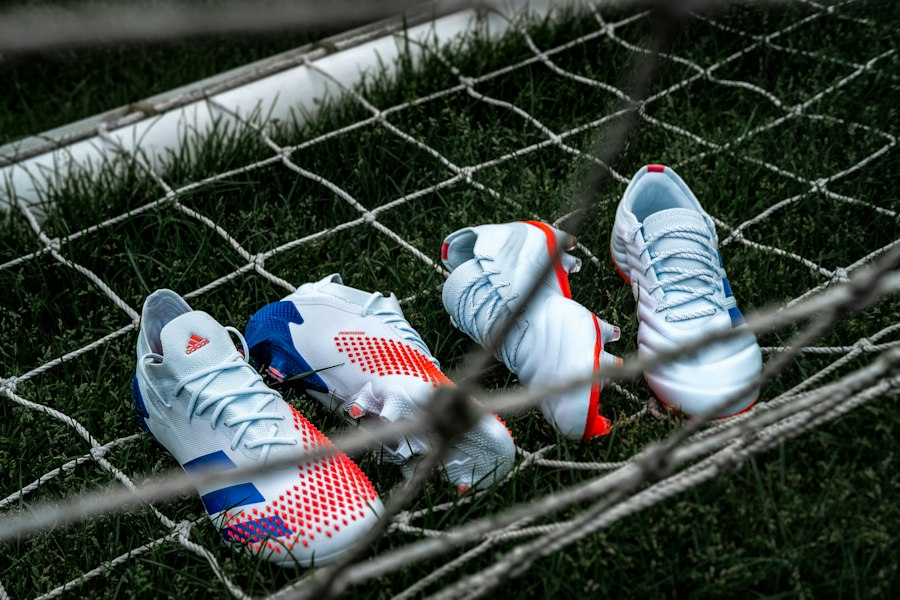
Before we dive into specific recommendations, let’s get a handle on the different kinds of cleats out there. This is super important because playing on the wrong surface with the wrong cleats can be uncomfortable, ineffective, and even dangerous.
Firm Ground (FG) Cleats
These are your all-rounders, probably what you picture when you think of soccer cleats. FG cleats are designed for natural grass pitches that are firm and relatively dry. They typically have a conical or bladed stud pattern, often a mix of both, which provides good traction without digging in too much. If you’re playing on well-maintained, outdoor grass fields most of the time, FG cleats are likely your best bet. They offer a good balance of grip and maneuverability. Most beginner-friendly cleats will fall into this category or a similar multi-ground option.
Artificial Ground (AG) Cleats
With the rise of artificial turf fields, AG cleats have become a must-have for many players. These fields are often harder and create more friction than natural grass. AG cleats usually have more numerous, shorter, and often hollow studs. This design helps distribute pressure more evenly across your foot, reduces the risk of stud-related injuries (like twisting an ankle), and prevents excessive grip that can “stick” your foot to the turf. If your local park or league plays primarily on turf, you’ll definitely want to look for AG-specific or multi-ground (MG) cleats that are suitable for turf.
Multi-Ground (MG) Cleats
As the name suggests, MG cleats are designed to be versatile. They’re a hybrid, attempting to offer decent performance on both firm natural grass and artificial turf. They usually feature a stud pattern that’s a compromise between FG and AG, often with a good number of shorter, rounded studs. For beginners who might play on a mix of surfaces and don’t want to buy multiple pairs, MG cleats are an excellent, practical choice. They might not be perfect for any single surface, but they’ll be good enough for most.
Soft Ground (SG) Cleats
SG cleats are for when the weather turns nasty – think muddy, wet, and soft natural grass fields. They feature fewer, longer, and often metal-tipped (and sometimes removable) studs. These longer studs dig deep into the soft ground, providing maximum traction in slippery conditions. Unless you’re consistently playing in very wet and muddy conditions, beginners typically won’t need SG cleats. They can be uncomfortable and even dangerous on firm ground, as the long studs don’t retract properly.
Indoor (IN) or Futsal Shoes
These aren’t technically “cleats” in the traditional sense, as they have flat, non-marking rubber soles. Indoor shoes are designed for playing futsal or indoor soccer on hard, polished surfaces like gym floors. They prioritize grip, quick changes of direction, and durability on these slick surfaces. If your primary playing environment is indoors, these are what you need. They look a lot like regular athletic trainers but are built for the specific demands of indoor soccer.
Turf (TF) Shoes
Turf shoes, sometimes called “astro turf” shoes, are for older, often abrasive artificial turf surfaces (the kind with short, carpet-like fibers) or even harder natural ground. They have a multitude of small rubber nubs on the sole, offering good grip and cushioning without digging in. While AG cleats are for newer, longer-pile turf, TF shoes are still relevant for older turf or even just kicking around on hard, uneven ground like playgrounds. For beginners who might play on various non-stadium-grade surfaces, TF shoes can be a very versatile and comfortable option.
Key Considerations When Choosing
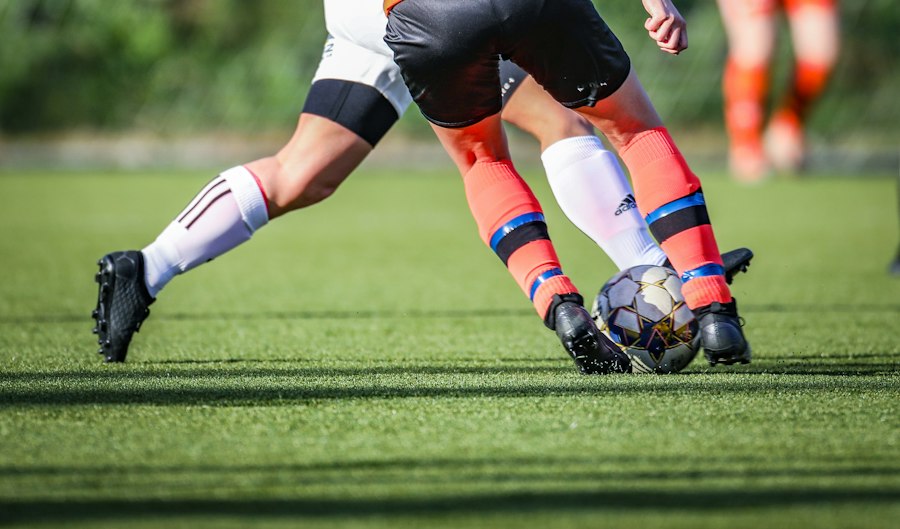
Beyond the type of sole, there are a few other important factors to keep in mind when you’re picking out your first pair of soccer shoes. These directly impact comfort, durability, and how well the shoe performs for you.
Material Matters: Synthetic vs. Leather
The upper material of the cleat significantly affects its feel, durability, and how it performs.
Synthetic Uppers
Most beginner and mid-range cleats use synthetic materials. These are typically lighter, more durable, and often more water-resistant than natural leather. They also tend to hold their shape better over time. Modern synthetics can offer a surprisingly good touch on the ball. The downside is that they might not mold to your foot as well as leather and can sometimes feel a bit stiffer initially. However, for a beginner, the durability and low maintenance of synthetics are often a big plus. Look for options that are flexible and offer a comfortable fit right out of the box.
Leather Uppers (K-Leather, Calfskin)
Leather, especially kangaroo leather (K-leather), is prized for its incredible softness, ability to mold to your foot for a custom fit, and excellent touch on the ball. Calfskin leather is a more affordable and common alternative to K-leather, still offering good comfort and a natural feel. The downside to leather is that it can be less durable than synthetics, requires more maintenance (like waterproofing and conditioning), and can stretch out over time. For a beginner, while the feel of leather is great, the added cost and maintenance might not be necessary. You can get a fantastic experience with good synthetic options.
Fit and Comfort: The Golden Rule
This is arguably the most important factor. No matter how fancy or expensive the cleats are, if they don’t fit well, you’re going to be uncomfortable, distracted, and prone to blisters.
Snug but Not Tight
Soccer cleats should fit snugly, almost like a second skin, but not uncomfortably tight. Your toes should lightly brush the end of the shoe, but they shouldn’t be jammed or curled. There should be very little space between your heel and the back of the shoe. A snug fit helps prevent your foot from sliding around inside the boot, which is crucial for stability and preventing blisters.
Width is Key
Pay close attention to the width. Many brands tend to run narrower than regular shoes. If you have wider feet, you’ll want to seek out brands or specific models known for their wider fit. Trying them on is essential. Walking around in them for a few minutes can reveal pinch points that aren’t immediately obvious.
Break-in Period
Most cleats, especially those with synthetic uppers, will require a short break-in period. Don’t expect them to feel perfect on day one. Wear them for short periods, like around the house or during a light practice, before a full game. If they’re painfully tight from the start, they’re probably the wrong size or width. Leather cleats generally have a shorter and more comfortable break-in period as they conform to your foot more readily.
Durability for the Long Haul
As a beginner, you’re likely putting your cleats through their paces. You’re learning to kick, pass, and control the ball, which means a lot of contact and potentially some scuffing. Look for cleats that feel well-constructed.
Strong Stitching
Check the stitching, especially where the sole meets the upper. Solid, even stitching indicates good quality. Flimsy stitching can lead to the shoe falling apart prematurely.
Reinforced Toe Box
The toe area takes a lot of abuse. A slightly reinforced toe box can help extend the life of the shoe and offer a bit of protection. While you won’t find steel toe caps, some extra padding or a durable material layer here is a good sign.
Sole Plate Integrity
Flex the sole plate. It should offer some stiffness for support but also flex naturally where your foot bends. A flimsy sole plate won’t provide good support or last long. Look for a sole plate that feels robust and well-attached.
Top Recommendations for Beginners
Now that we’ve covered the basics, let’s look at some specific models or lines that are generally excellent choices for beginners. These brands consistently offer good value, comfort, and performance at an approachable price point.
Adidas Copa Gloro / Copa Sense (.4 or .3 versions)
The Copa line from Adidas is legendary for its comfort and classic feel. While the high-end Copa Sense+ or .1 versions can be pricey, the Copa Gloro and the lower-tier Copa Sense .4 or .3 models are fantastic for beginners.
Why They’re Great
- Comfort: Often feature a soft synthetic or even a calfskin leather upper (especially the Gloro), providing a very comfortable, adaptive fit. They’re known for feeling good right out of the box.
- Touch: The upper material generally offers a great touch on the ball, which is helpful when you’re still developing your control.
- Durability: While leather requires a bit more care, these are generally well-constructed shoes that can withstand regular play.
- Versatility: Often come in FG or MG options, making them suitable for various surfaces. The Gloro, in particular, is a beloved classic for many players.
- Price Point: The .3 and .4 versions are much more affordable than the elite models, making them accessible.
Nike Tiempo Legend (.9 or .10 versions, .4 or .3 models)
Similar to the Copa, the Nike Tiempo line is a classic choice known for comfort and a natural feel. Again, look for the more budget-friendly versions like the Tiempo Legend 9 or 10 Academy (.3) or Club (.4) models.
Why They’re Great
- Comfort Focus: Tiempos prioritize comfort with their soft, often synthetic or calfskin uppers. They generally have a slightly wider fit than some other Nike models, which can be a plus.
- Reliable Performance: They offer good traction (FG or MG studs available) and a consistent touch on the ball.
- Durable: Nike’s construction on these models is generally robust enough for regular beginner play.
- Traditional Aesthetic: If you prefer a more classic soccer boot look, the Tiempo fits the bill.
- Good Value: The Academy and Club versions offer much of the core Tiempo experience without the premium price tag.
Puma Future / Ultra (lower-tier models)
Puma has made a strong comeback in the boot market, and their Future and Ultra lines offer some great options for beginners, particularly in their more affordable tiers.
Why They’re Great (Future)
- Adaptive Fit: The Puma Future line often features a unique lacing system or knitted construction (even in the lower tiers) that allows for a customizable and secure fit, which is excellent for different foot shapes.
- Comfort: These boots are generally designed with comfort in mind, often feeling quite flexible and accommodating.
- Agility: The stud patterns are usually geared towards agility and quick turns, which is good for developing footwork.
- MG Options: Often readily available in MG configurations, making them versatile for different playing surfaces.
Why They’re Great (Ultra)
- Lightweight: The Ultra line is all about speed and lightness, even in its beginner-friendly versions. If you prefer a lighter boot feel, these are a good choice.
- Responsive: They aim for a responsive feel, giving you a good connection to the ball and the ground.
- Modern Look: If you’re into the sleeker, more modern aesthetic, the Ultra delivers.
- Durable Synthetics: The synthetic uppers are usually quite durable and easy to maintain.
Mizuno Morelia Club / Select
Mizuno might not be as ubiquitous as Nike or Adidas in some markets, but they are revered for their quality, especially their leather boots. The Morelia Club or Morelia Select are fantastic entry-level options.
Why They’re Great
- Exceptional Comfort (even in synthetics): Even their synthetic models are often engineered for a soft and accommodating fit. Their leather options (if you splurge slightly) are legendary for comfort.
- Durable Construction: Mizuno boots are known for their high-quality construction and durability. They are built to last.
- Classic Feel: They often provide a very pure, unadulterated feel for the ball, which can be great for developing control.
- Wider Fit: Many Mizuno models tend to accommodate wider feet better than some other brands, which is a big plus for many players.
- Solid Performance: They might not have the flashiest tech, but they deliver consistent, reliable performance on the pitch.
New Balance 442 V2 (entry-level)
New Balance has steadily built a reputation for producing high-quality soccer boots, and their 442 line is particularly great for beginners and those looking for a traditional feel. The entry-level 442 V2 Control or Pro (without the expensive leather) are excellent.
Why They’re Great
- Focus on Comfort & Fit: The 442 V2 series is designed with comfort and a classic, accommodating fit in mind. They often have a generous toe box and overall width.
- Durable Synthetics or Calfskin: You can find these in durable synthetic options or even comfortable calfskin leather at a good price.
- Reliable Traction: The stud patterns are usually very functional, offering good grip without being overly aggressive.
- Clean Aesthetic: They offer a straightforward, no-nonsense look that appeals to many players.
- Great Value: New Balance often provides excellent quality for the price, especially in their lower-tier models.
When selecting the best soccer cleats for beginners, it’s essential to consider various factors such as fit, comfort, and playing surface. A helpful resource on this topic is an article that discusses how to choose soccer shoes effectively, providing insights that can guide new players in making informed decisions. For more information, you can check out the article here. By understanding these key elements, beginners can enhance their performance on the field and enjoy the game even more.
The Buying Process: Where and How to Shop
| Metric | Description | Recommended Features for Beginners | Example Models |
|---|---|---|---|
| Comfort | How well the cleats fit and feel during play | Cushioned insoles, padded collars, breathable materials | Nike Tiempo Legend, Adidas Copa Sense |
| Weight | Overall weight of the cleats affecting speed and agility | Lightweight but supportive design | Puma Future Z, New Balance Furon |
| Traction | Grip on different playing surfaces | Rubber or plastic studs suitable for grass or turf | Adidas Predator, Nike Phantom GT |
| Durability | Resistance to wear and tear over time | High-quality synthetic or leather uppers | Under Armour Magnetico, Mizuno Morelia |
| Fit | How well the shoe conforms to foot shape | True to size, adjustable lacing system | Adidas X Speedflow, Nike Mercurial |
| Price | Cost range suitable for beginners | Affordable options with good quality | Diadora Capitano, Umbro Velocita |
| Support | Foot and ankle stability during movement | Moderate ankle support, firm heel counter | Asics DS Light, Nike Legend 8 |
You’ve got an idea of what you’re looking for, now where do you actually go to get them, and what’s the best approach?
In-Store Experience: Try Before You Buy
For your first pair, heading to a physical store is highly recommended. This allows you to try on multiple pairs and different sizes.
Sporting Goods Stores
Places like Dick’s Sporting Goods, Academy Sports, or local sports shops often have a decent selection of entry-level and mid-tier cleats from major brands. The staff might not be expert soccer players, but they can usually help with sizing.
Specialist Soccer Shops
If you’re lucky enough to have one nearby, a dedicated soccer shop is gold. The staff are often knowledgeable players themselves and can offer personalized advice. They’ll have a wider range and can better guide you on fit and features.
What to Do When Trying On
- Wear Soccer Socks: Bring the type of socks you’ll actually play in. This makes a huge difference to the fit.
- Walk Around: Don’t just stand there. Walk, jog lightly, and even try some sidesteps and quick turns if space allows. Pay attention to any pinching or slipping.
- Check Toe Space: Your toes should lightly brush the end, but not be crunched.
- Heel Lock: Your heel should feel secure with minimal slippage.
- Width: Ensure there are no painful pressure points on the sides of your feet.
Online Shopping: When and How
Once you know your preferred brand, model, and size, online shopping can offer more selection and competitive pricing. However, for a beginner’s first pair, it’s a risk if you haven’t tried them on in person first.
Know Your Size
If you’re buying online, make sure you know your size in that specific brand and model. Sizes can vary between brands and even within different lines of the same brand. If possible, try on an older model in a store first to gauge sizing.
Read Reviews
Look for reviews that specifically mention fit, comfort, and durability from other beginners or recreational players. Pay attention to comments about width or if they run true to size.
Check Return Policies
Always, always double-check the return policy. Make sure you can return them if they don’t fit or aren’t comfortable, even if you’ve only tried them on inside the house. Many retailers won’t accept returns on worn or dirty cleats.
Reputable Retailers
Stick to reputable online retailers like Amazon (check seller carefully), Zappos, or dedicated soccer gear sites like Soccer.com or Pro:Direct Soccer.
When selecting the best soccer cleats for beginners, it’s essential to consider various factors such as fit, traction, and playing surface. A helpful resource that delves deeper into this topic is an article on how to choose soccer shoes, which provides valuable insights for newcomers to the sport. Understanding these elements can significantly enhance a player’s performance and comfort on the field. For more information, you can read the article here.
Keeping Your Cleats in Top Shape
You’ve found the perfect pair, now let’s make them last! A little care goes a long way in extending the life of your soccer shoes.
Cleaning After Each Use
This is crucial. Mud and dirt left on your cleats can degrade the materials, especially the stitching and the sole plate.
Wipe Down
As soon as you’re off the field, wipe down your cleats with a damp cloth or a soft brush. Remove as much mud and grass as possible.
Water and Mild Soap (if needed)
For tougher grime, you can use a little lukewarm water and mild soap. Avoid harsh detergents or hot water, especially on leather. Use a soft brush (an old toothbrush works well for studs) to get into crevices.
Rinse Thoroughly
If you’ve used soap, rinse them thoroughly to remove any residue.
Proper Drying
This is just as important as cleaning.
Air Dry Only
Never put your cleats in a dryer or near a direct heat source (like a radiator). High heat can cause synthetic materials to crack and leather to shrink and stiffen.
Stuff with Newspaper
Remove the insoles (if removable) and stuff the cleats with old newspaper. This helps absorb moisture from the inside and maintains the shoe’s shape. Change the newspaper if it becomes saturated.
Keep Them Out of Your Bag
Don’t leave wet, dirty cleats in your sports bag for days. They’ll start to smell, and the materials will degrade much faster. Store them in a well-ventilated area.
Maintenance Tips
A few extra steps can add to the longevity.
Rotate Pairs (If You Can)
If you play frequently, having two pairs of cleats (even inexpensive ones) that you can rotate can help them last longer. It gives each pair time to fully dry and air out.
Check for Wear and Tear
Regularly inspect your cleats for loose stitching, separating soles, or worn-down studs. Catching small issues early can prevent them from becoming bigger, irreparable problems.
Leather Care (If Applicable)
If you chose leather cleats, consider using a leather conditioner every few weeks or months, especially if they’re exposed to a lot of moisture. This keeps the leather supple and prevents cracking.
By following these tips, your first pair of soccer cleats should serve you well as you embark on your soccer journey. Remember, the goal is to enjoy the game, and comfortable, functional footwear is a great starting point for that.
SportsOnTV.tv Where it’s always “Game On”
FAQs
1. What should beginners consider when choosing soccer cleats?
Beginners should consider factors such as comfort, fit, traction, and support when choosing soccer cleats. It is important to find a pair that feels comfortable and provides the necessary support for playing on different types of surfaces.
2. Are there specific types of cleats recommended for beginners?
For beginners, it is recommended to choose soccer cleats with molded studs or rubber studs. These types of cleats provide good traction and stability, making them ideal for players who are just starting out.
3. Should beginners prioritize price or quality when selecting soccer cleats?
While price can be a factor for beginners, it is important to prioritize quality when selecting soccer cleats. Investing in a good quality pair of cleats can help prevent injuries and improve performance on the field.
4. How important is the fit of soccer cleats for beginners?
The fit of soccer cleats is crucial for beginners as it can impact comfort, performance, and injury prevention. It is recommended to try on different sizes and styles to find the best fit for your feet.
5. Can beginners benefit from consulting with a professional when choosing soccer cleats?
Yes, beginners can benefit from consulting with a professional, such as a coach or experienced player, when choosing soccer cleats. They can provide valuable insights and recommendations based on their experience and knowledge of the game.